
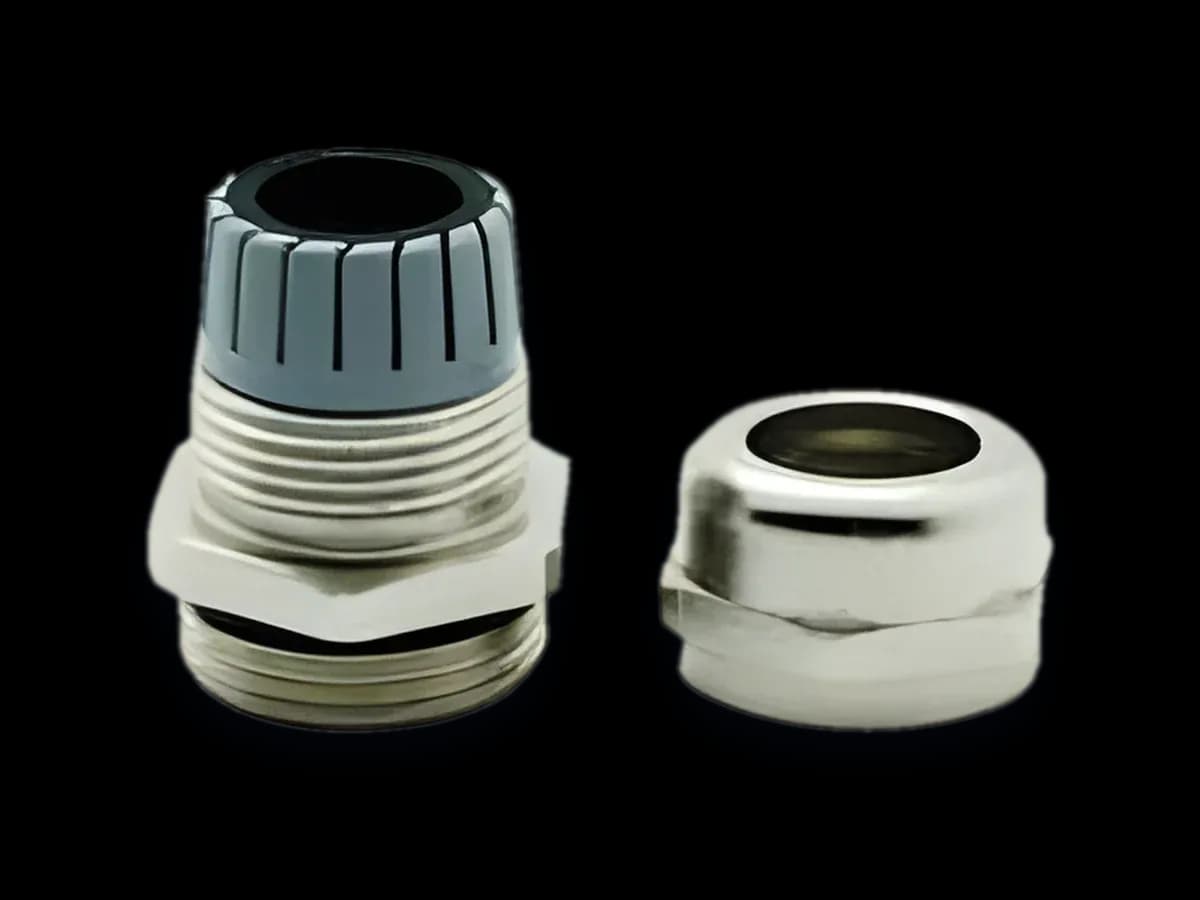
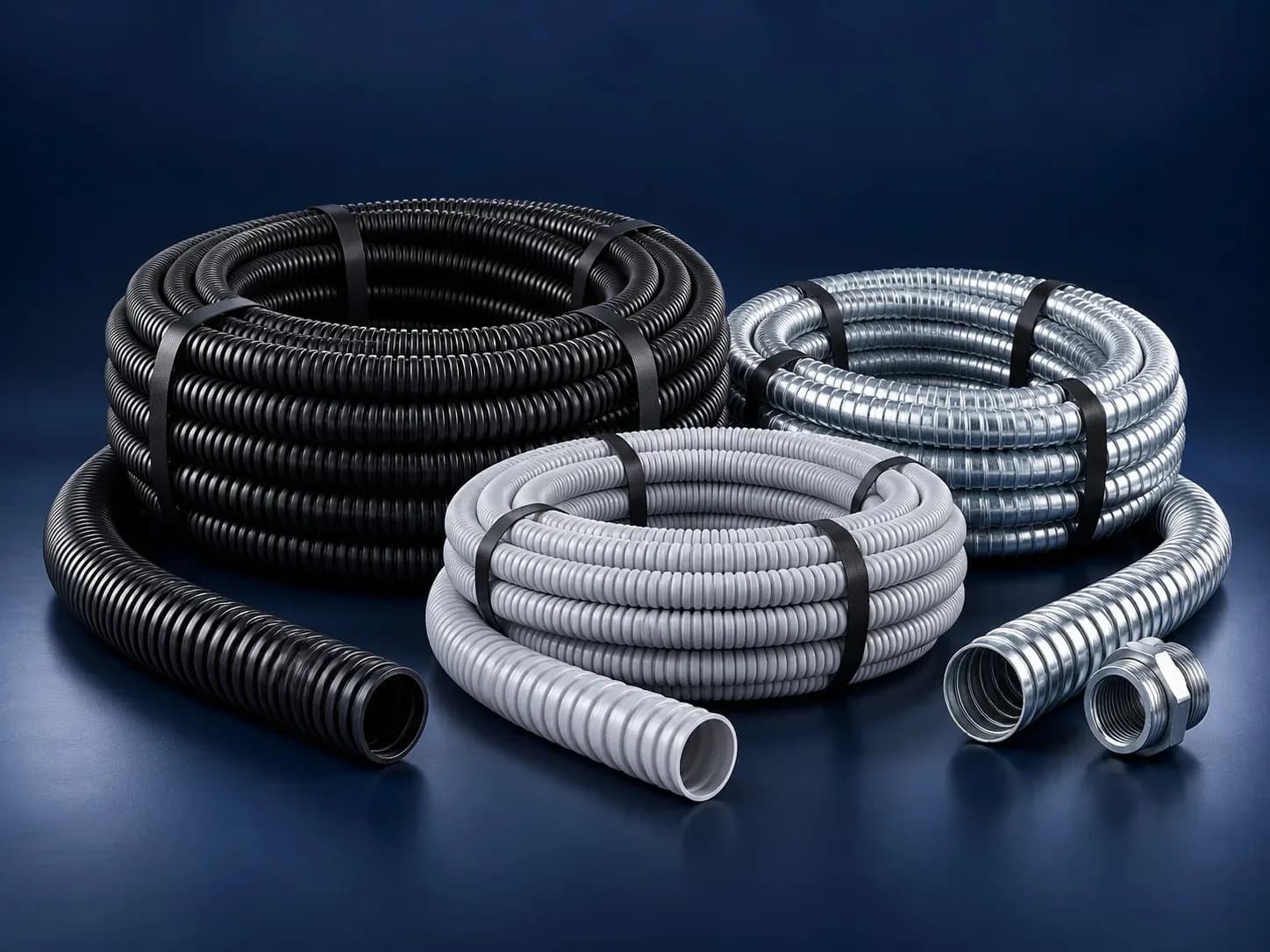
Images are for illustration; refer to the table for dimensions.
Cable Glands & Accessories
Metal Cable Gland
Nickel-plated brass body and cap nut with a polyamide clamping insert. IP68; metric and PG, standard and long threads.
- IP68
- −40 °C / +105 °C
- M12–M63
- CE
Technical data
- Operating temperature
- −40 °C / +105 °C
- Protection rating
- IP68
- Material
- Nickel-plated brass body and cap nut; PA6 V2 clamping insert, NBR O-ring, TPV sealing ring
- Size range
- M12–M63
- Certificates
- CE
About this product
The metal cable gland keeps water and dust out where a cable enters an enclosure or device and anchors the cable against pulling: it is rated IP68 and works from −40 °C to +105 °C. Body and cap nut are nickel-plated brass, the clamping insert PA6. It comes with metric (M12–M63) and PG threads, in standard and long thread lengths. The right size is the one whose clamping range in the table takes the cable's outer diameter.
Size table
The + button at the start of a row adds that size to your quote list. You set the quantity on the quote page.
Metric thread9 sizes
| Item code | Thread | Thread length (mm) | Body length (mm) | Wrench size, body (mm) | Wrench size, nut (mm) | Cable dia. (mm) |
|---|---|---|---|---|---|---|
| F.11.1001 | M12×1.5 | 6 | 22 | 14 | 14 | 3–6.5 |
| F.11.1002 | M16×1.5 | 7 | 23 | 18 | 17 | 4–8 |
| F.11.1003 | M20×1.5 | 8 | 26.5 | 22 | 22 | 4–10 |
| F.11.1004 | M20×1.5 | 8 | 26.5 | 22 | 22 | 6–12 |
| F.11.1005 | M25×1.5 | 8 | 28 | 27 | 24 | 10–14 |
| F.11.1006 | M32×1.5 | 9 | 31.5 | 34 | 30 | 13–18 |
| F.11.1007 | M40×1.5 | 9 | 38 | 43 | 40 | 18–25 |
| F.11.1008 | M50×1.5 | 9 | 43 | 55 | 50 | 22–32 |
| F.11.1009 | M63×1.5 | 14 | 48 | 68 | 64 | 33–44 |
Long metric thread9 sizes
| Item code | Thread | Thread length (mm) | Body length (mm) | Wrench size, body (mm) | Wrench size, nut (mm) | Cable dia. (mm) |
|---|---|---|---|---|---|---|
| F.11.2001 | M12×1.5 | 12 | 22 | 14 | 14 | 3–6.5 |
| F.11.2002 | M16×1.5 | 12 | 23 | 18 | 17 | 4–8 |
| F.11.2003 | M20×1.5 | 12 | 26.5 | 22 | 22 | 4–10 |
| F.11.2004 | M20×1.5 | 12 | 26.5 | 22 | 22 | 6–12 |
| F.11.2005 | M25×1.5 | 12 | 28 | 27 | 24 | 10–14 |
| F.11.2006 | M32×1.5 | 14 | 31.5 | 34 | 30 | 13–18 |
| F.11.2007 | M40×1.5 | 14 | 38 | 43 | 40 | 18–25 |
| F.11.2008 | M50×1.5 | 14 | 43 | 55 | 50 | 22–32 |
| F.11.2009 | M63×1.5 | 18 | 48 | 68 | 64 | 33–44 |
PG thread11 sizes
| Item code | Thread | Thread length (mm) | Body length (mm) | Wrench size (mm) | Cable dia. (mm) |
|---|---|---|---|---|---|
| F.12.3001 | Pg 7 | 6 | 22 | 14 | 3–6.5 |
| F.12.3002 | Pg 9 | 6 | 23 | 17 | 4–8 |
| F.12.3003 | Pg 11 | 6 | 24.5 | 20 | 5–10 |
| F.12.3004 | Pg 13.5 | 6.5 | 26.5 | 22 | 4–10 |
| F.12.3005 | Pg 13.5 | 6.5 | 26.5 | 22 | 6–12 |
| F.12.3006 | Pg 16 | 6.5 | 28 | 24 | 10–14 |
| F.12.3007 | Pg 21 | 7 | 31.5 | 30 | 13–18 |
| F.12.3008 | Pg 29 | 8 | 38 | 40 | 18–25 |
| F.12.3009 | Pg 36 | 10 | 43 | 50 | 22–32 |
| F.12.3010 | Pg 42 | 12 | 47 | 57 | 30–38 |
| F.12.3011 | Pg 48 | 14 | 48 | 64 | 34–44 |
Long PG thread11 sizes
| Item code | Thread | Thread length (mm) | Body length (mm) | Wrench size (mm) | Cable dia. (mm) |
|---|---|---|---|---|---|
| F.12.4001 | Pg 7 | 10 | 22 | 14 | 3–6.5 |
| F.12.4002 | Pg 9 | 10 | 23 | 17 | 4–8 |
| F.12.4003 | Pg 11 | 10 | 24.5 | 20 | 5–10 |
| F.12.4004 | Pg 13.5 | 10 | 26.5 | 22 | 4–10 |
| F.12.4005 | Pg 13.5 | 10 | 26.5 | 22 | 6–12 |
| F.12.4006 | Pg 16 | 10 | 28 | 24 | 10–14 |
| F.12.4007 | Pg 21 | 12 | 31.5 | 30 | 13–18 |
| F.12.4008 | Pg 29 | 12 | 38 | 40 | 18–25 |
| F.12.4009 | Pg 36 | 14 | 43 | 50 | 22–32 |
| F.12.4010 | Pg 42 | 18 | 47 | 57 | 30–38 |
| F.12.4011 | Pg 48 | 18 | 48 | 64 | 34–44 |
Sizes are taken from the 2026 product catalogue. Contact us for current stock and custom sizes.
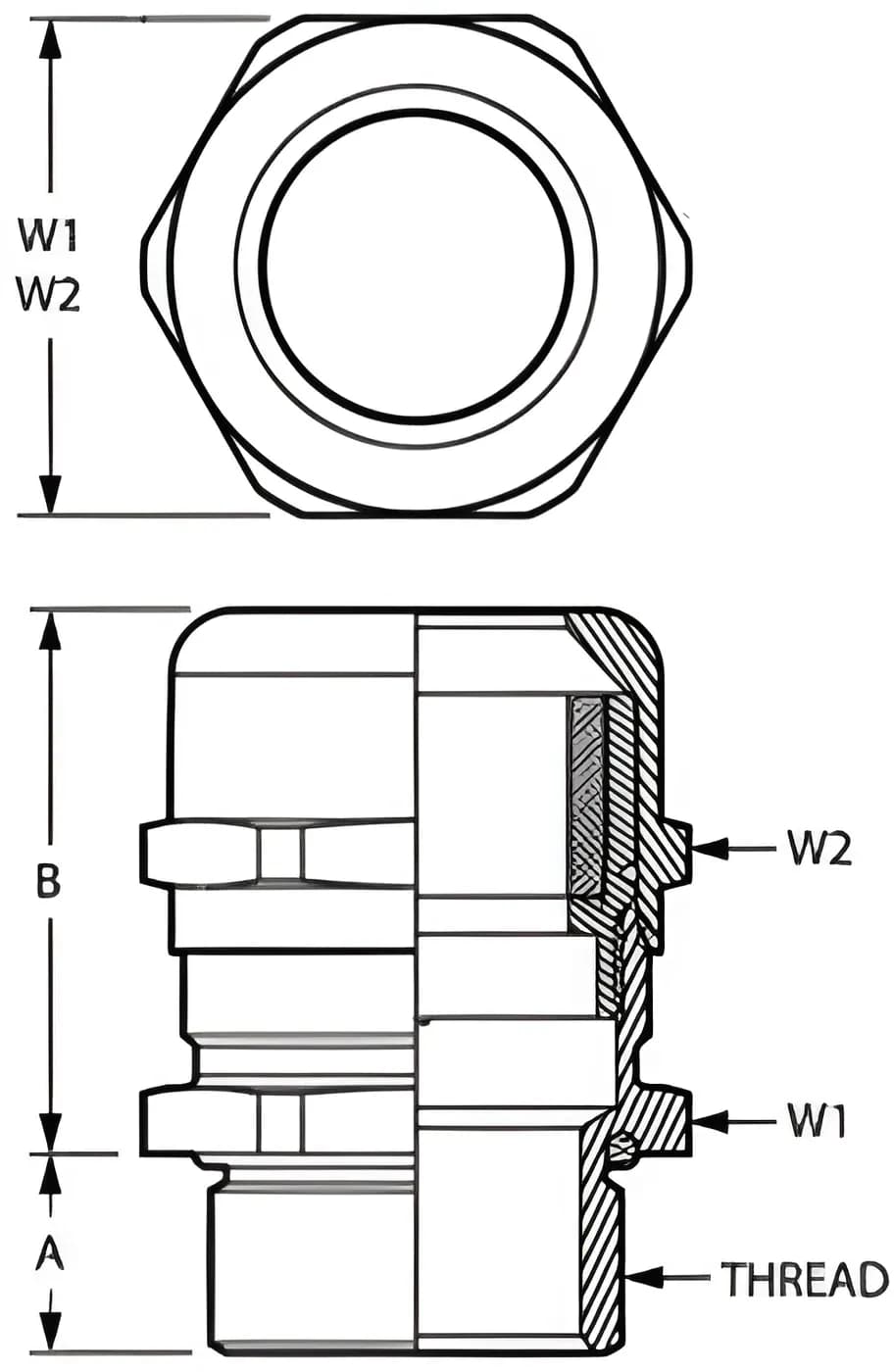
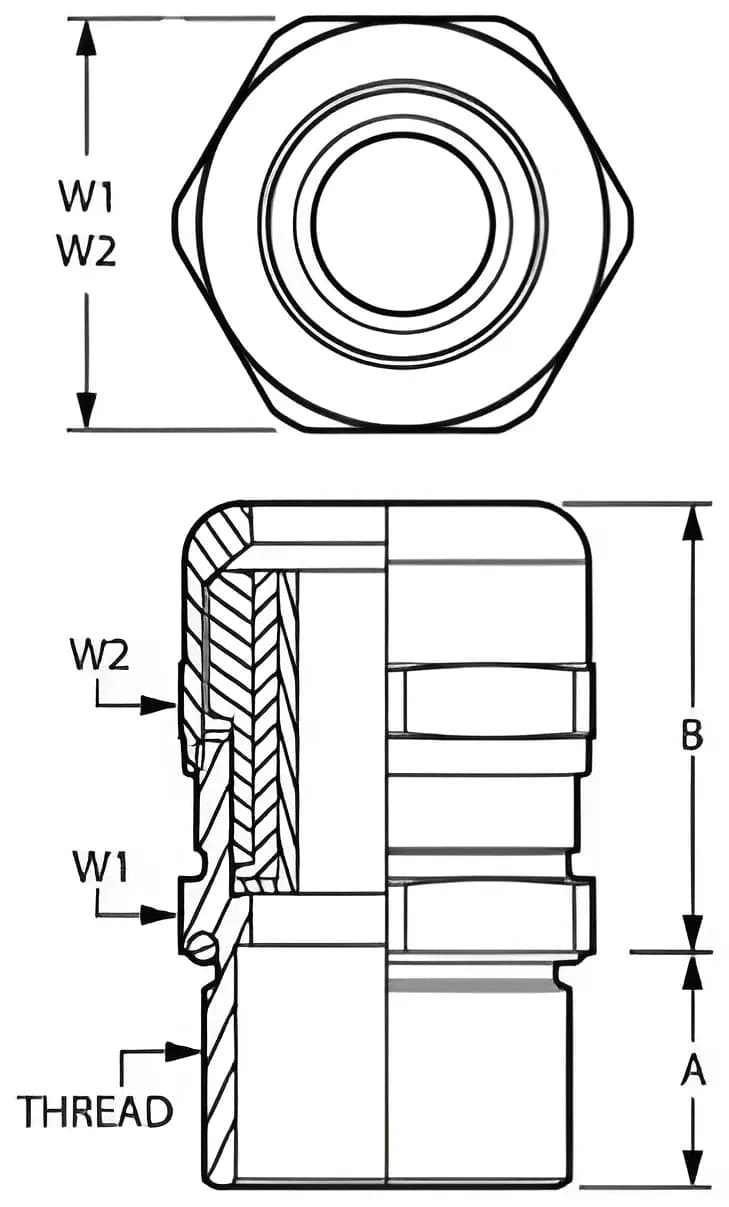
Technical drawing
Frequently asked questions
What does a cable gland do?
A cable gland does two jobs where a cable enters an enclosure or device: it keeps water and dust out and anchors the cable against pulling, so the connections inside are not strained. Our metal and polyamide cable glands are rated IP68 and come with metric and PG threads, in standard and long thread lengths.
How do I choose the right cable gland size?
First measure the cable's outer diameter and choose the gland whose clamping range takes it; for an 8 mm cable, for example, the 4–10 mm type of our M20 metal cable gland fits. Then choose the thread to suit the hole in the enclosure: metric or PG. If the enclosure wall is thick, the long-thread type is preferred.
What is the difference between PG and metric threads?
PG is an older thread standard of German origin with an 80° angle; a metric thread is the 60° ISO thread, used on cable glands with a 1.5 mm pitch. Because the profiles differ, they do not fit each other. New designs use metric threads, and existing enclosures with PG holes take PG glands; our cable glands are made in both.
What does IP68 mean?
IP68 means dust-tight (first digit 6) and protected against continuous immersion (second digit 8); the immersion conditions are more severe than for IP67 and are stated by the manufacturer. Our metal and polyamide cable glands are IP68. A run is only as well protected as its weakest part, so conduit, fittings and boxes should be judged together.
From the same group
- IP68
- LSZH
- LSZH
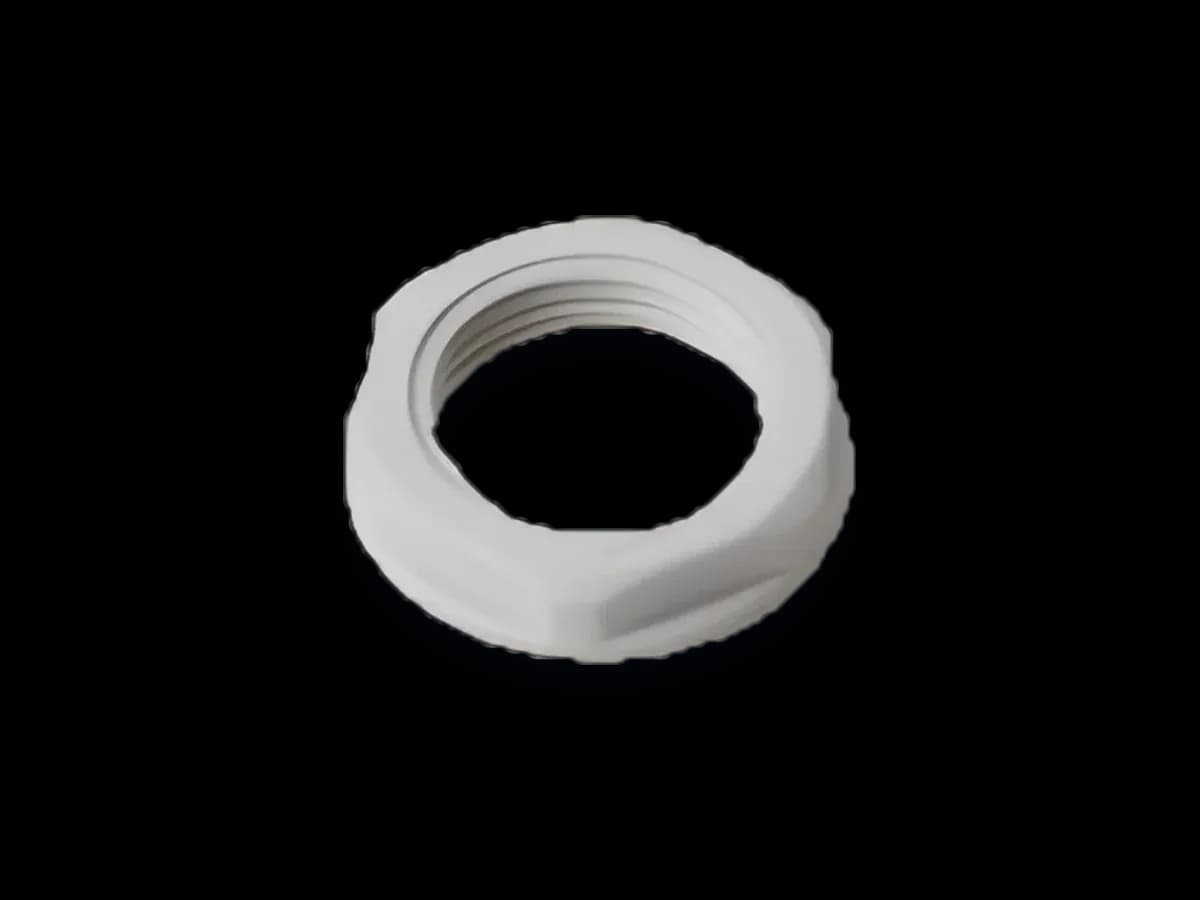
Polyamide Lock Nut
9 sizesView
- LSZH
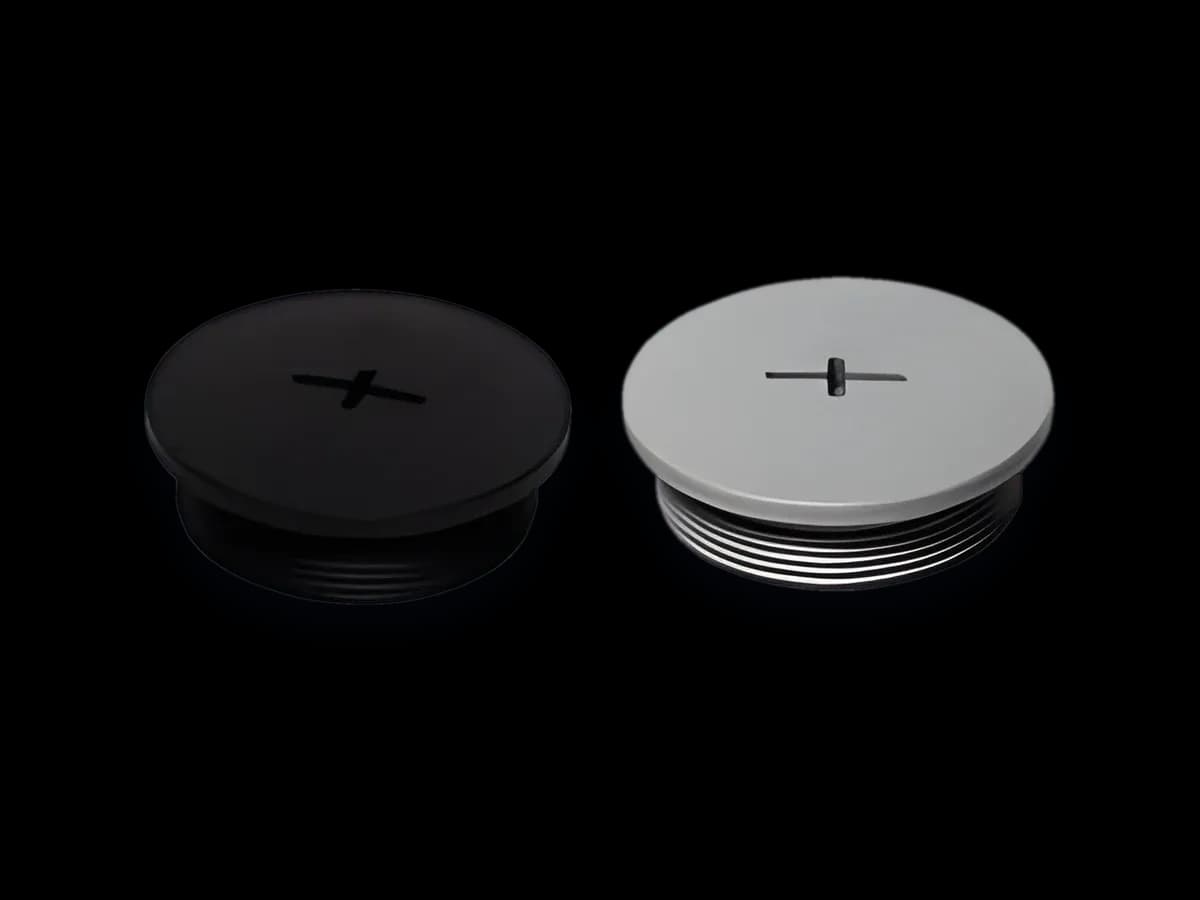
Polyamide Blind Plug
10 sizesView
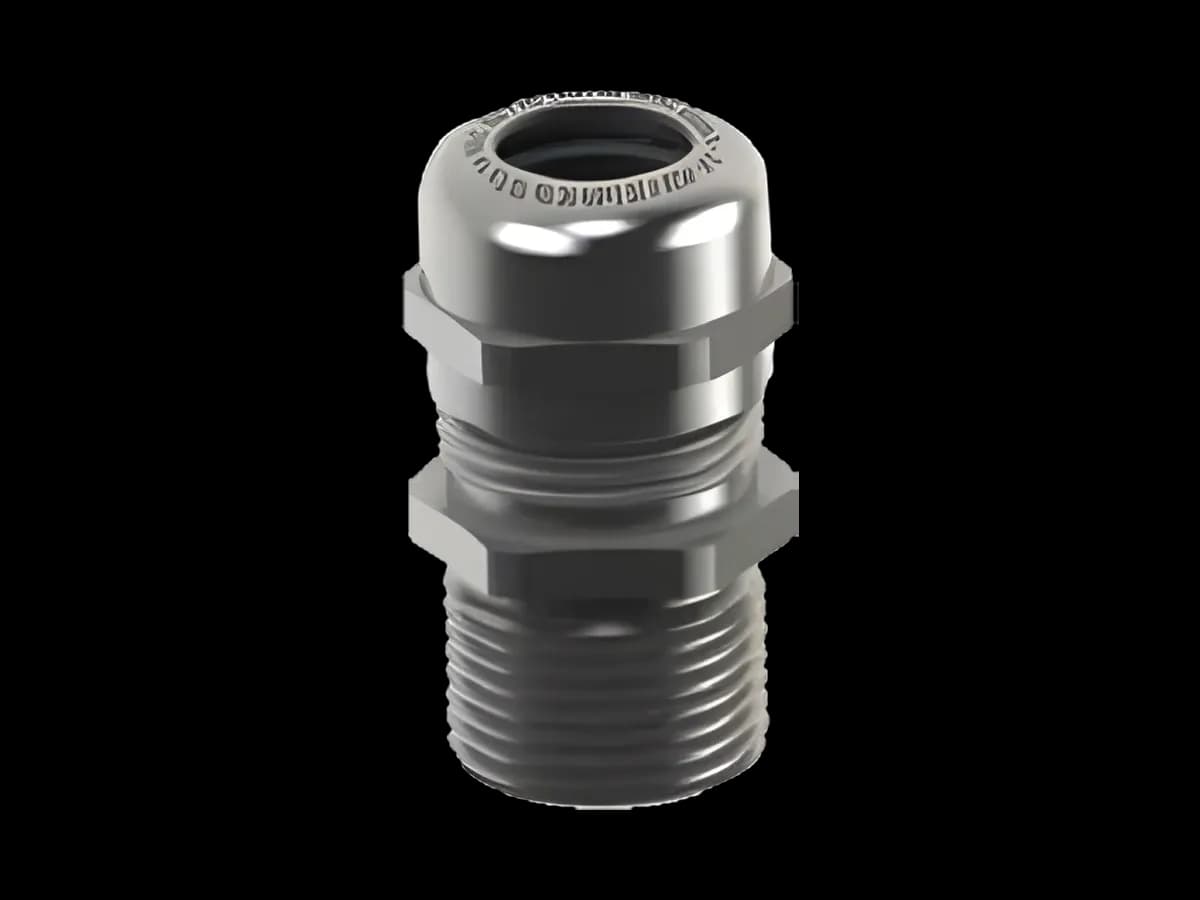
- IP66–IP68
Articles about this product
Guide4 min read
Cable glands explained: what they do and how to choose
A cable gland is the fitting that keeps water and dust out where a cable enters an enclosure or device and anchors the cable against pulling. The right gland is chosen by four things: the cable's outer diameter, the thread type, the thread length and the environment.
Technical3 min read
What does IP68 mean? IP ratings explained
In an IP code the first digit is protection against dust and solid objects, the second against water. IP68 means fully dust-tight and able to withstand continuous immersion.
Technical3 min read
PG vs metric gland threads: the difference and which to choose
PG and metric are two separate thread standards for cable glands, and they do not fit each other. New designs use metric threads; for existing enclosures with PG entries, choose a PG gland or an adapter.
Let us choose the right conduit for your project together
Send us the item code, size and quantity, and we will prepare your quote.