
Technical · 3 min read
PG vs metric gland threads: the difference and which to choose
Fleks Elektrik Technical Team
In short
PG and metric are two separate thread standards for cable glands, and they do not fit each other. New designs use metric threads; for existing enclosures with PG entries, choose a PG gland or an adapter.
Two standards, two thread profiles
PG (Panzergewinde) is an older thread standard of German origin (DIN 40430): its thread angle is 80°, its profile is rounded and its pitch varies with size. A metric thread is the 60° ISO thread; on cable glands it is used with a 1.5 mm pitch (M12×1.5 to M63×1.5). Because the profiles differ, PG and metric threads do not fit each other; forced together, the thread is damaged and the seal is lost.
PG sizes (Pg 7, Pg 9, Pg 11, Pg 13.5, Pg 16, Pg 21, Pg 29, Pg 36, Pg 42, Pg 48) are names; the number is not the diameter of the thread in millimetres. In metric sizes the number after M is the outer diameter in millimetres: M20 is a thread 20 mm across.
Why the change to metric?
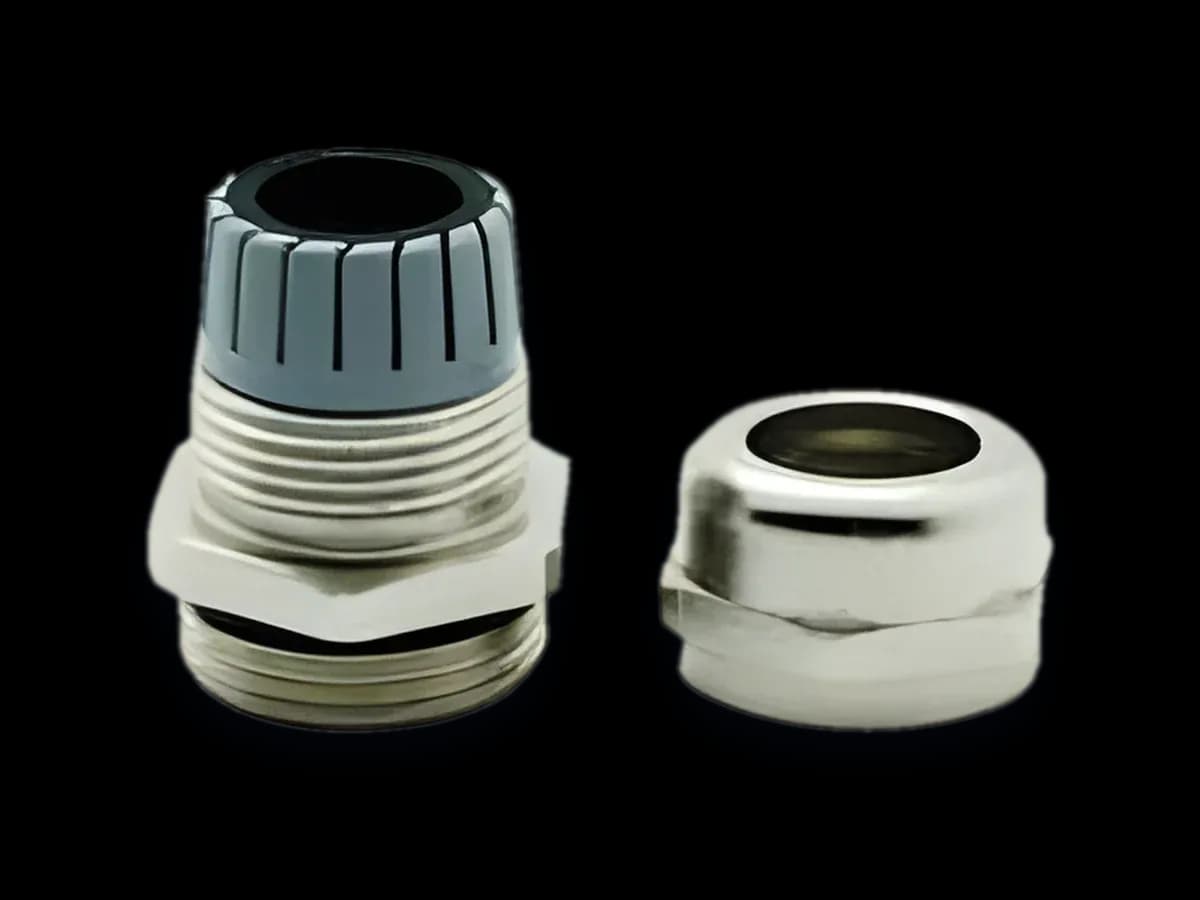
Metric threads became the standard for cable glands in Europe, and new enclosures, boxes and machines are made with metric entries. PG glands are still needed in older plants, for spare parts and for maintenance. That is why we make our metal and polyamide cable glands, polyamide conduit connectors, lock nuts and blind plugs in both threads.
PG and metric glands for the same cable
There is no one-to-one match between PG and metric; the right pairing goes by the cable diameter the gland takes. On our metal cable glands the clamping ranges in the two threads are:
| Metric thread | Clamping range | PG thread | Clamping range |
|---|---|---|---|
| M12×1.5 | 3–6.5 mm | Pg 7 | 3–6.5 mm |
| M16×1.5 | 4–8 mm | Pg 9 | 4–8 mm |
| — | — | Pg 11 | 5–10 mm |
| M20×1.5 | 4–10 and 6–12 mm | Pg 13.5 | 4–10 and 6–12 mm |
| M25×1.5 | 10–14 mm | Pg 16 | 10–14 mm |
| M32×1.5 | 13–18 mm | Pg 21 | 13–18 mm |
| M40×1.5 | 18–25 mm | Pg 29 | 18–25 mm |
| M50×1.5 | 22–32 mm | Pg 36 | 22–32 mm |
| — | — | Pg 42 | 30–38 mm |
| M63×1.5 | 33–44 mm | Pg 48 | 34–44 mm |
The table makes one thing clear: on our metal cable glands, the cable an M20 gland takes is taken by Pg 13.5, not Pg 16; Pg 16 matches M25. Rather than working from the names, always start from the cable's outer diameter.
On conduit fittings the pairing goes by conduit size, not cable diameter, and the tables differ: the steel conduit fitting with a 1/2" NPT thread, for example, has M20×1.5 as its metric and Pg 16 as its PG version. Check each product's own table.
Polyamide glands, nuts and plugs
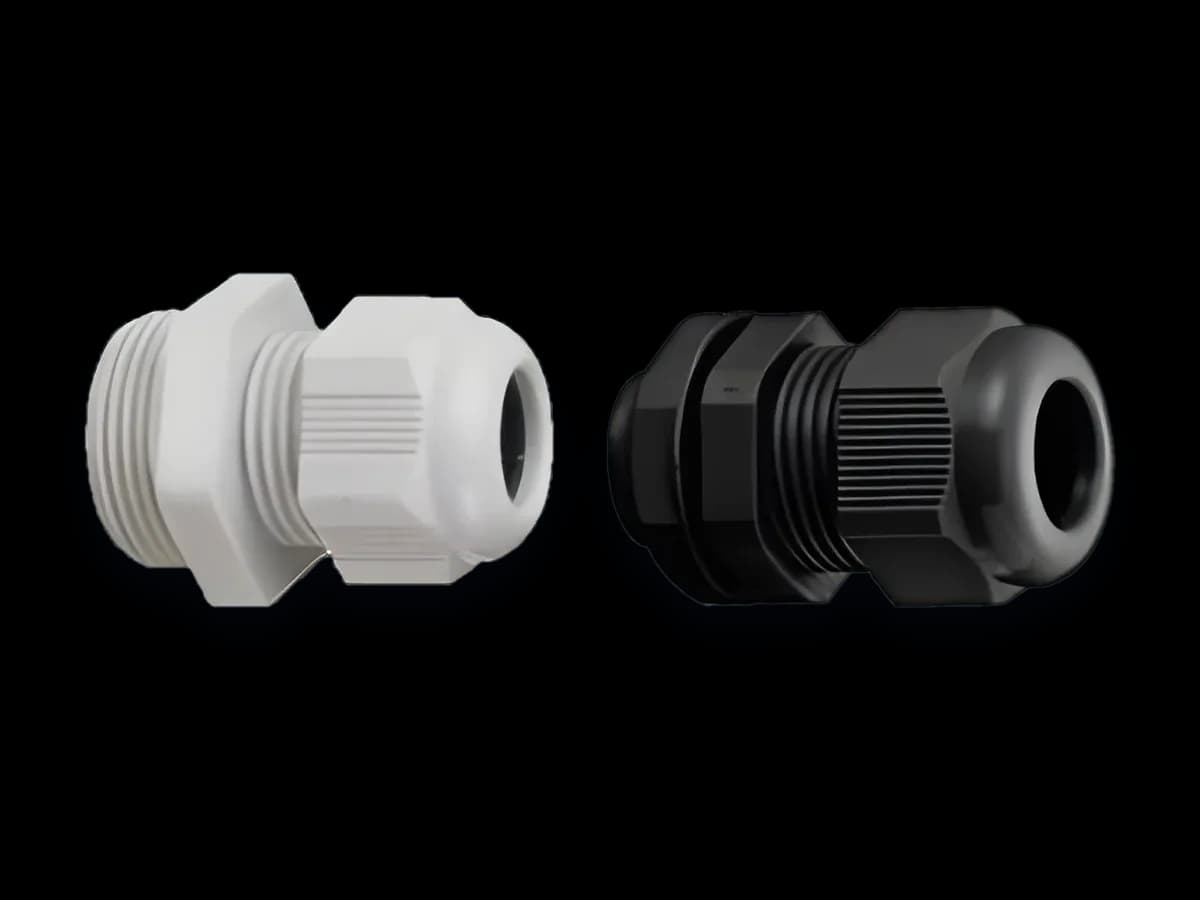
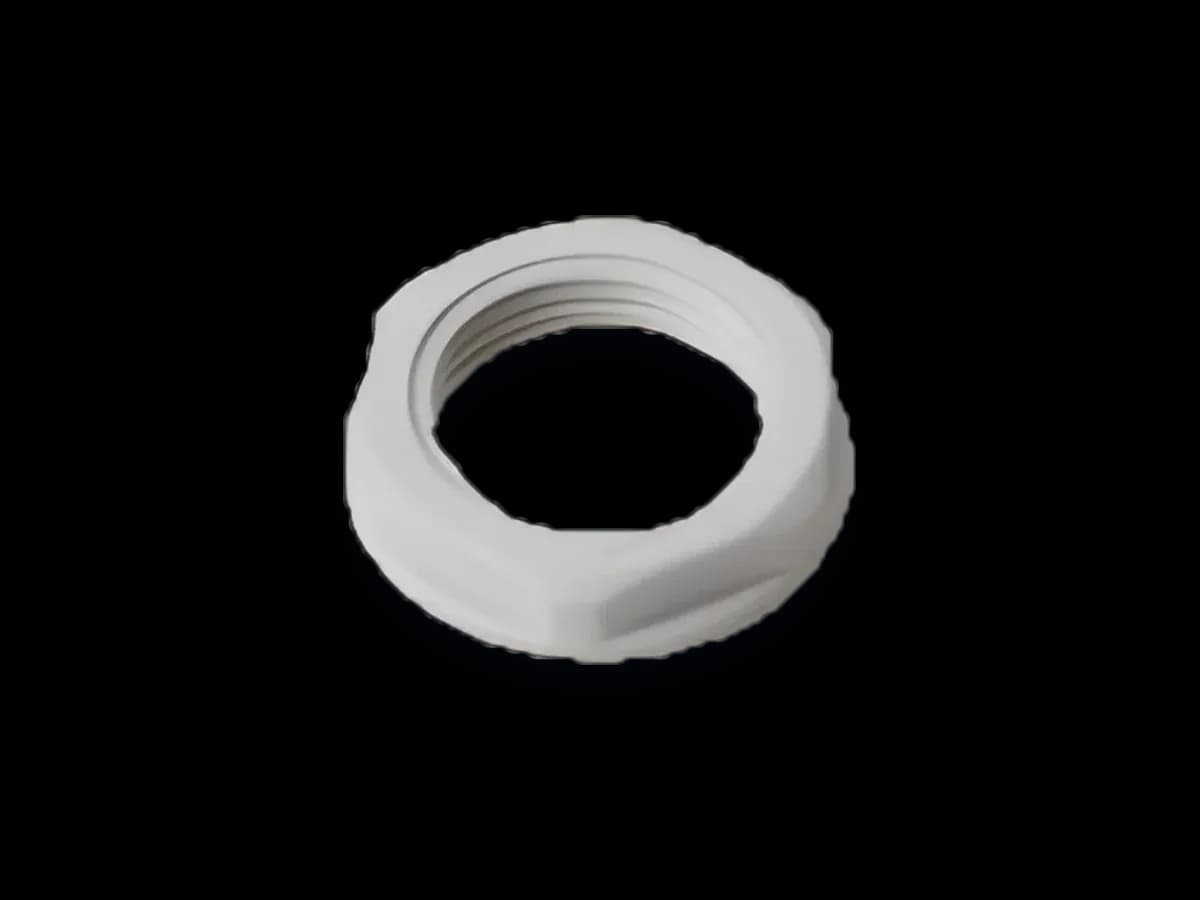
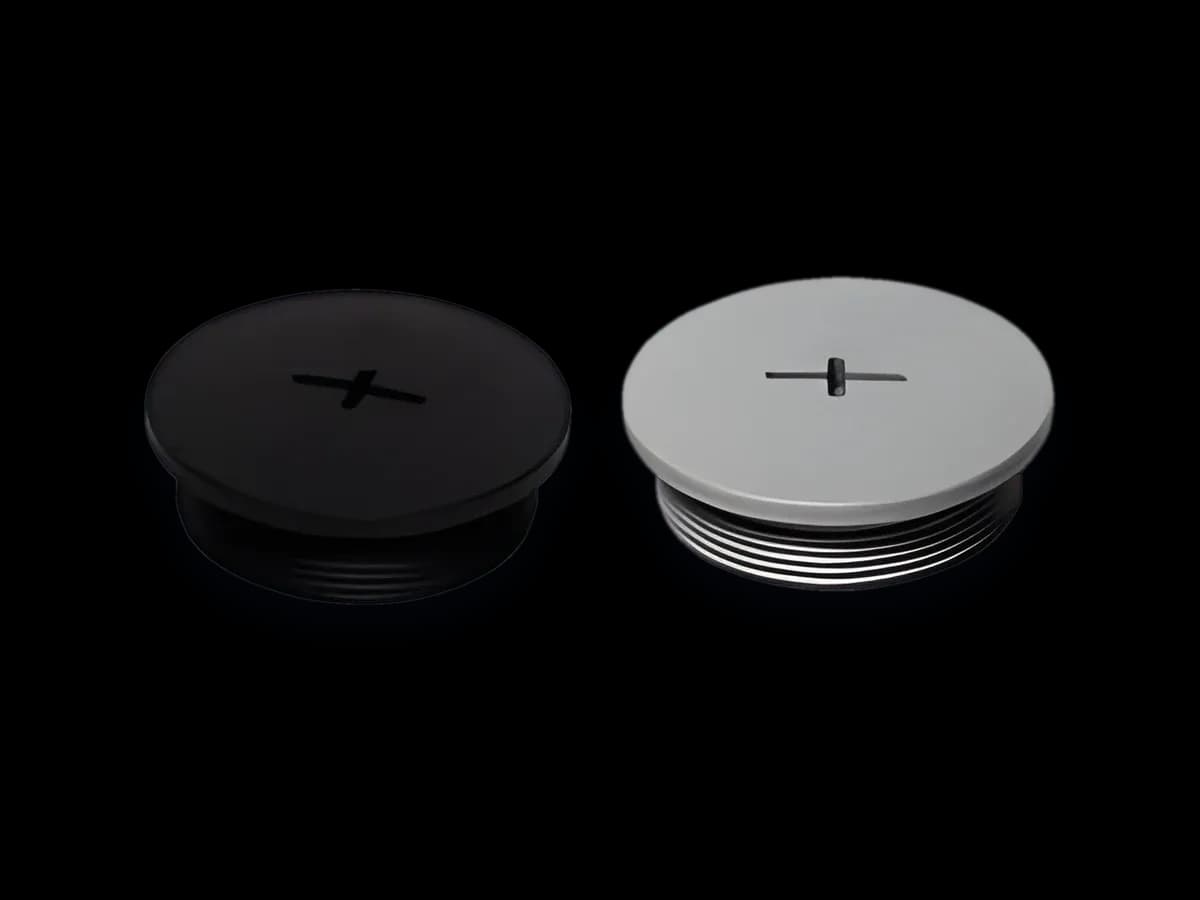
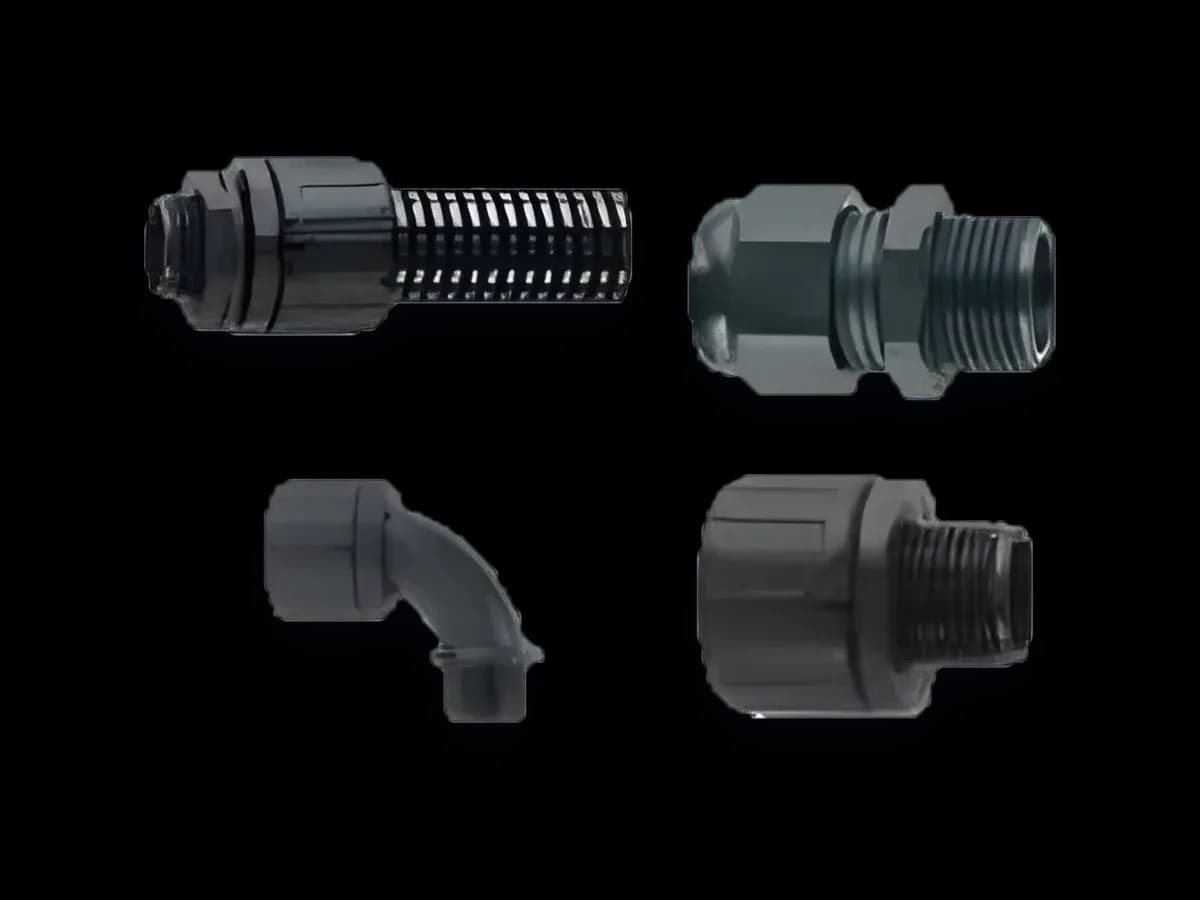
Our polyamide cable glands are also made with metric and PG threads, in standard and long thread lengths, in grey, light grey and black. The Polyamide Lock Nut fixes the gland to the enclosure from the inside, and the Polyamide Blind Plug closes unused holes; both are made of halogen-free PA6 with metric and PG threads. The metric polyamide conduit connectors come with a lock nut.
When is a long thread needed?
A standard thread length is enough for thin sheet-metal enclosures. If the enclosure wall is thick, or the gland is to be tightened with a nut on the inside, choose the long-thread type: on our metal cable gland, for example, the M20 thread is 8 mm long in the standard type and 12 mm in the long type.
Which one to choose?
- New enclosure and machine designs use metric threads.
- Existing enclosures with PG holes take glands of the same PG size.
- The gland size is set so that its clamping range takes the cable's outer diameter.
- If you need to move between the two standards, re-machine the hole or use a metric–PG adapter.
- Give the item code when ordering; it defines the thread and the clamping range together.
If you are unsure of the thread on an existing enclosure, send our sales team the details on the label of the enclosure or the old gland; we will suggest the right gland with its item code.
How many mm is Pg 16?
Pg 16 is a name; the number is not millimetres. On our metal cable glands, the Pg 16 gland takes cables of 10–14 mm outer diameter; for the same cable the metric equivalent is M25×1.5.
Does a PG gland fit a metric hole?
No. Because their thread angles and pitches differ, a PG gland does not fit a metric hole, nor a metric gland a PG hole; forced in, the thread is damaged and the seal is lost. Re-machine the hole or choose a gland with the same thread as the hole.
Do lock nuts and blind plugs come in both threads?
Yes. The Polyamide Lock Nut and the Polyamide Blind Plug are made with metric (M12–M63) and PG (Pg 7–Pg 48) threads, in grey and black. Choose the nut and plug with the same thread as the gland.
Related products
- IP68
- IP68
- LSZH
- LSZH
Polyamide Lock Nut
9 sizesView
- LSZH
Polyamide Blind Plug
10 sizesView
- IP67
- LSZH
Polyamide Conduit Connectors & Accessories
65 sizesView
More articles
Guide5 min read
Flexible steel conduit sizes: inch, ID and OD table
Flexible steel conduit is made in 18 sizes from 1/4" to 4" and is chosen by its inner diameter: 1/2" conduit, for example, is 16 mm inside and 20 mm outside. The inch value is a name; conduit, fittings and clamps are matched by their millimetre dimensions.
Guide4 min read
Cable glands explained: what they do and how to choose
A cable gland is the fitting that keeps water and dust out where a cable enters an enclosure or device and anchors the cable against pulling. The right gland is chosen by four things: the cable's outer diameter, the thread type, the thread length and the environment.
Guide4 min read
Polyamide vs PVC corrugated conduit: the difference
Polyamide corrugated conduit works from −40 °C to +120 °C, is halogen-free and self-extinguishing. PVC corrugated conduit works from −20 °C to +70 °C and is made for general-purpose installations. Polyamide is chosen where it is hot, where things move, or where halogen-free material is required.
Guide3 min read
Cable trunking or rigid PVC conduit? Types and sizes
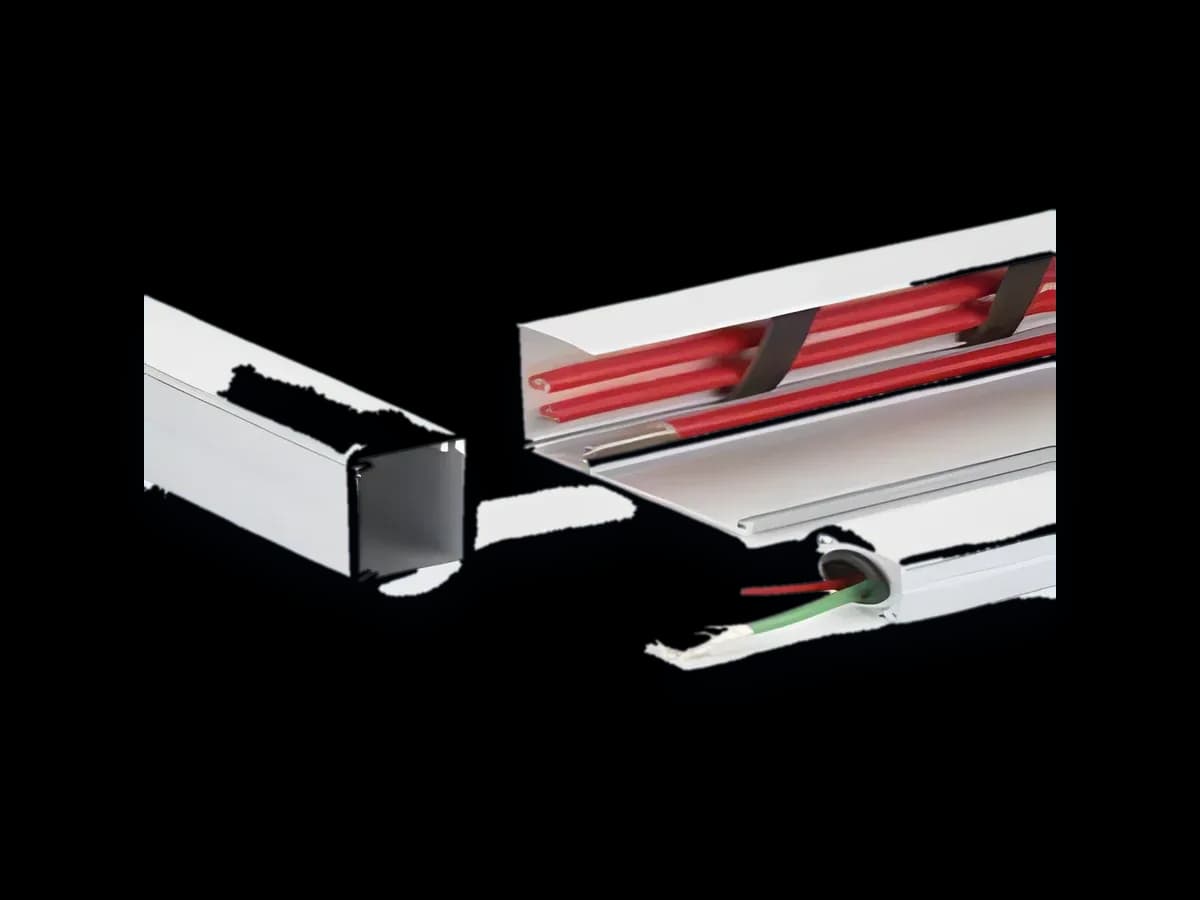
Cable trunking is a profile with an opening cover, practical for surface runs and panel wiring where cables will be added later. Rigid PVC conduit carries cables in a closed tube and is made for surface and concealed installations. The choice depends on how much protection the cable needs and whether it will change.
Guide3 min read
What is EMT conduit? How it differs from other conduit
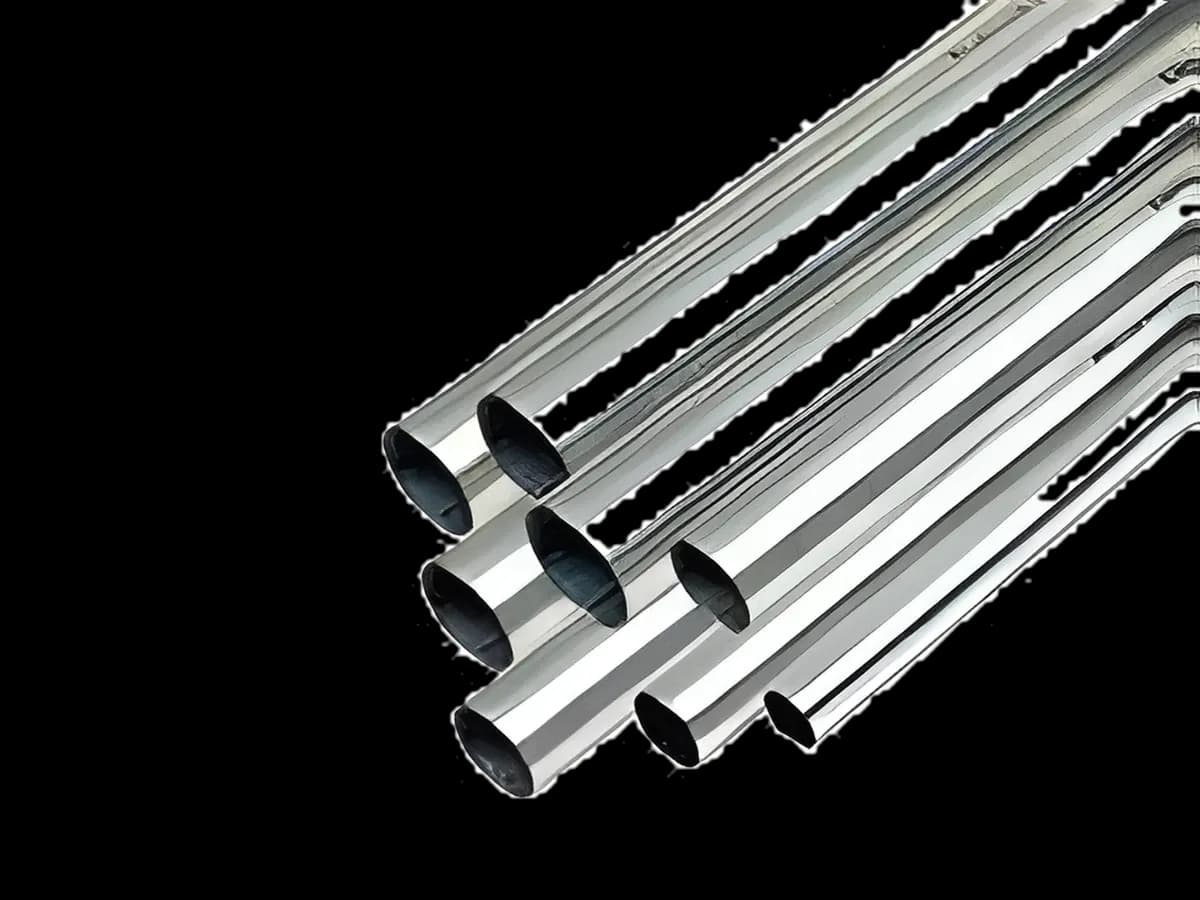
EMT (electrical metallic tubing) is thin-wall, threadless galvanized steel conduit for electrical installations inside buildings. Its ends are not threaded; it is joined with screw-type or compression couplings and bent to change direction.
Guide3 min read
How to connect flexible conduit to a fitting
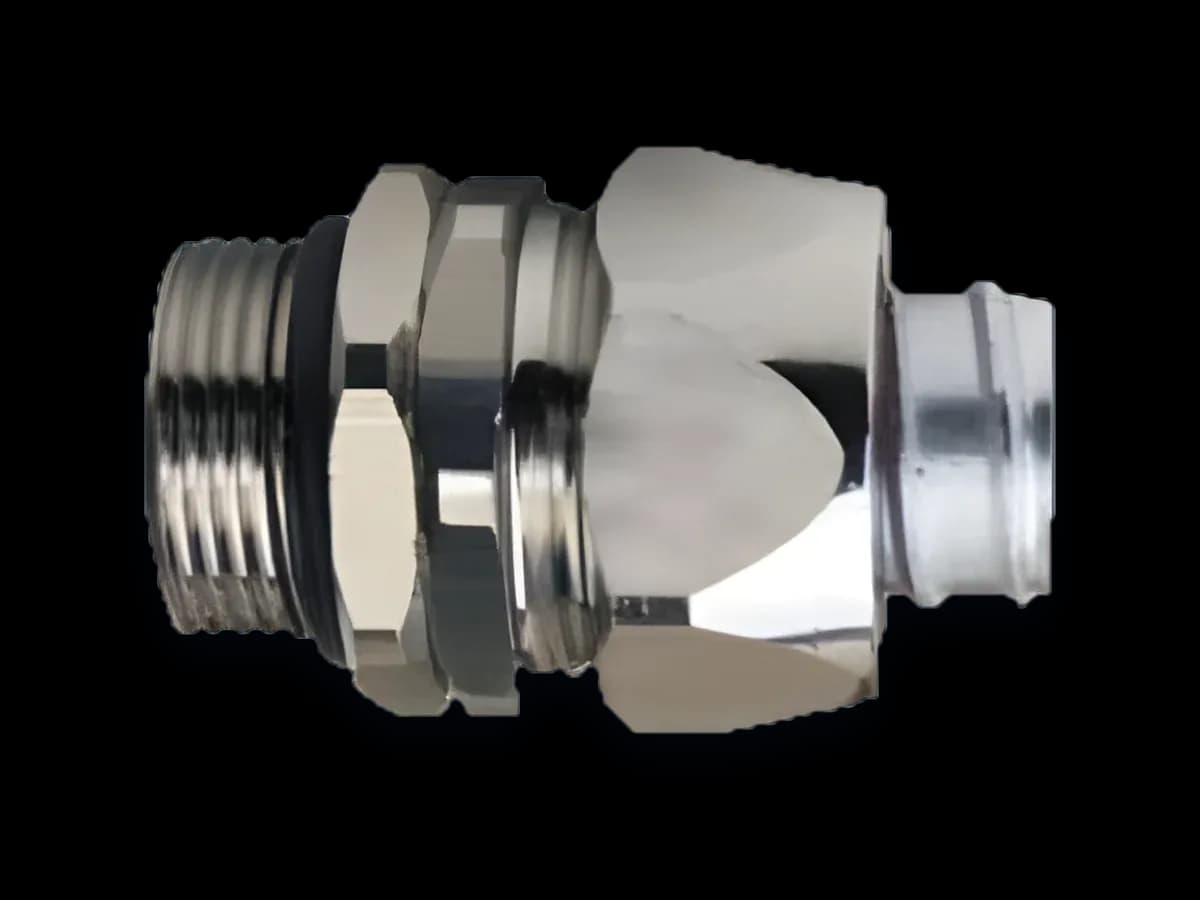
Flexible conduit is connected to a fitting in four steps: choose the fitting, cut the conduit, seat it and tighten the cap, then fix the fitting with its nut. For a sealed run, conduit and fitting must share the same protection class.
Guide3 min read
Galvanized or stainless steel conduit? A comparison
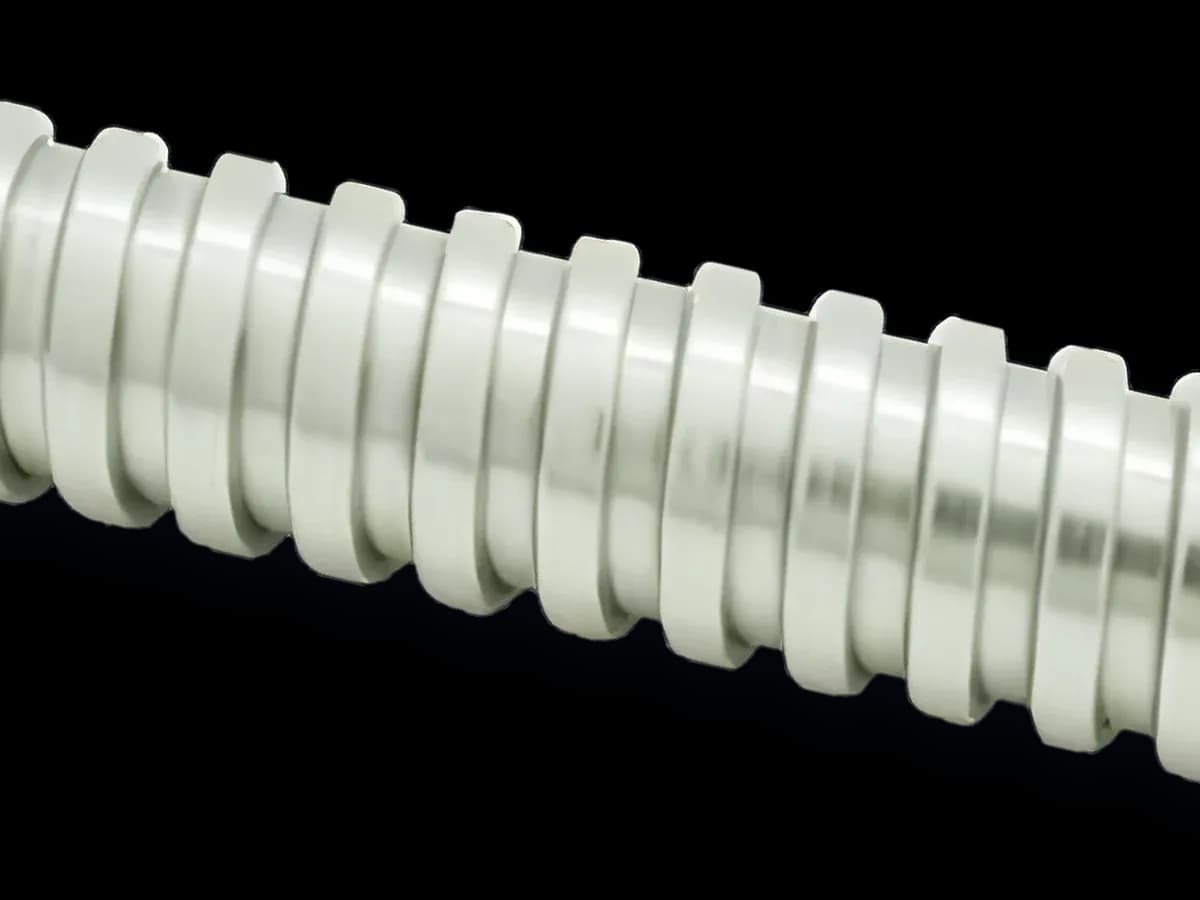
Galvanized flexible steel conduit works from −50 °C to +300 °C and covers most general installations. Stainless steel conduit works from −100 °C to +600 °C and is made for corrosive environments. The choice comes down to temperature, chemicals and moisture.
Guide3 min read
PVC-coated vs halogen-free (LSZH) conduit
PVC-coated and halogen-free coated conduits protect the steel core from moisture, oil and dust in the same way; they differ in fire behaviour and temperature. A halogen-free (LSZH) coating gives off little smoke and no halogen gases in a fire, so it is chosen for crowded indoor spaces.
Guide3 min read
Liquid-tight conduit: where and why it is used
Liquid-tight conduit is galvanized flexible steel conduit enclosed in a thick PVC or halogen-free jacket, rated IP66–IP69. It is used wherever cables meet water, dust, petrol or solvents.
Guide4 min read
How to choose a flexible steel conduit
Four questions decide the right flexible steel conduit: ambient temperature, exposure to water and dust, electromagnetic interference, and cable size. Temperature picks the material, sealing picks the coating, interference picks the braid, and the cable bundle picks the diameter.
Technical3 min read
What does IP68 mean? IP ratings explained
In an IP code the first digit is protection against dust and solid objects, the second against water. IP68 means fully dust-tight and able to withstand continuous immersion.