
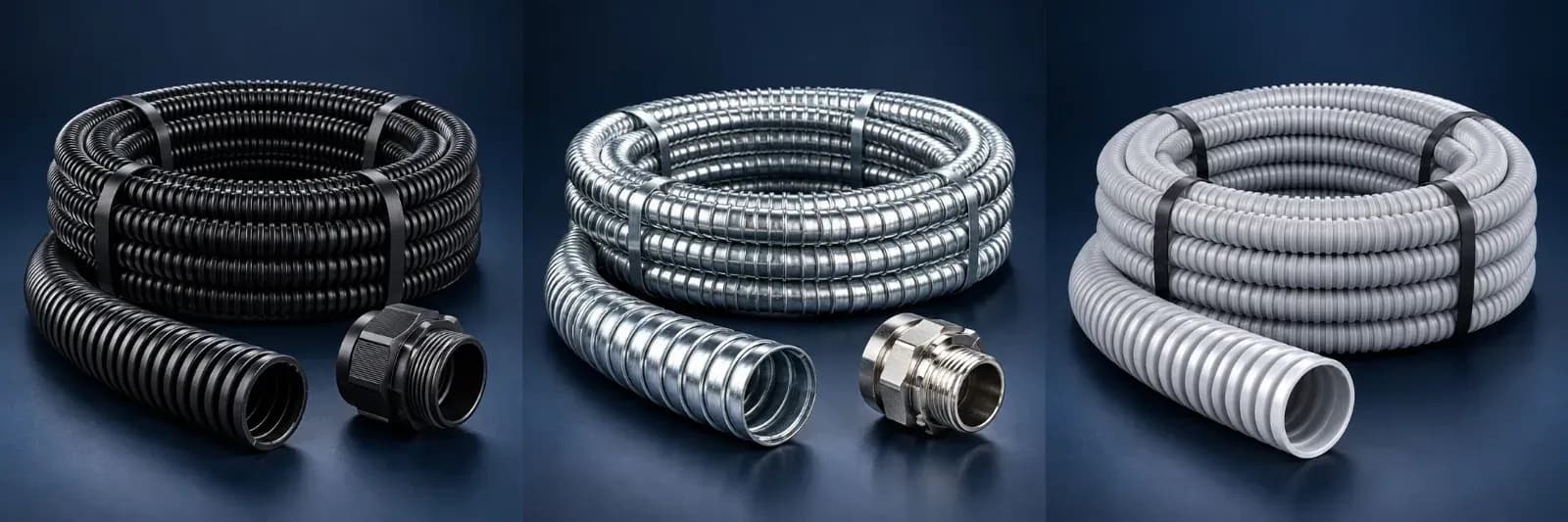
Guide · 3 min read
Cable trunking or rigid PVC conduit? Types and sizes
Fleks Elektrik Technical Team
In short
Cable trunking is a profile with an opening cover, practical for surface runs and panel wiring where cables will be added later. Rigid PVC conduit carries cables in a closed tube and is made for surface and concealed installations. The choice depends on how much protection the cable needs and whether it will change.
The basic difference
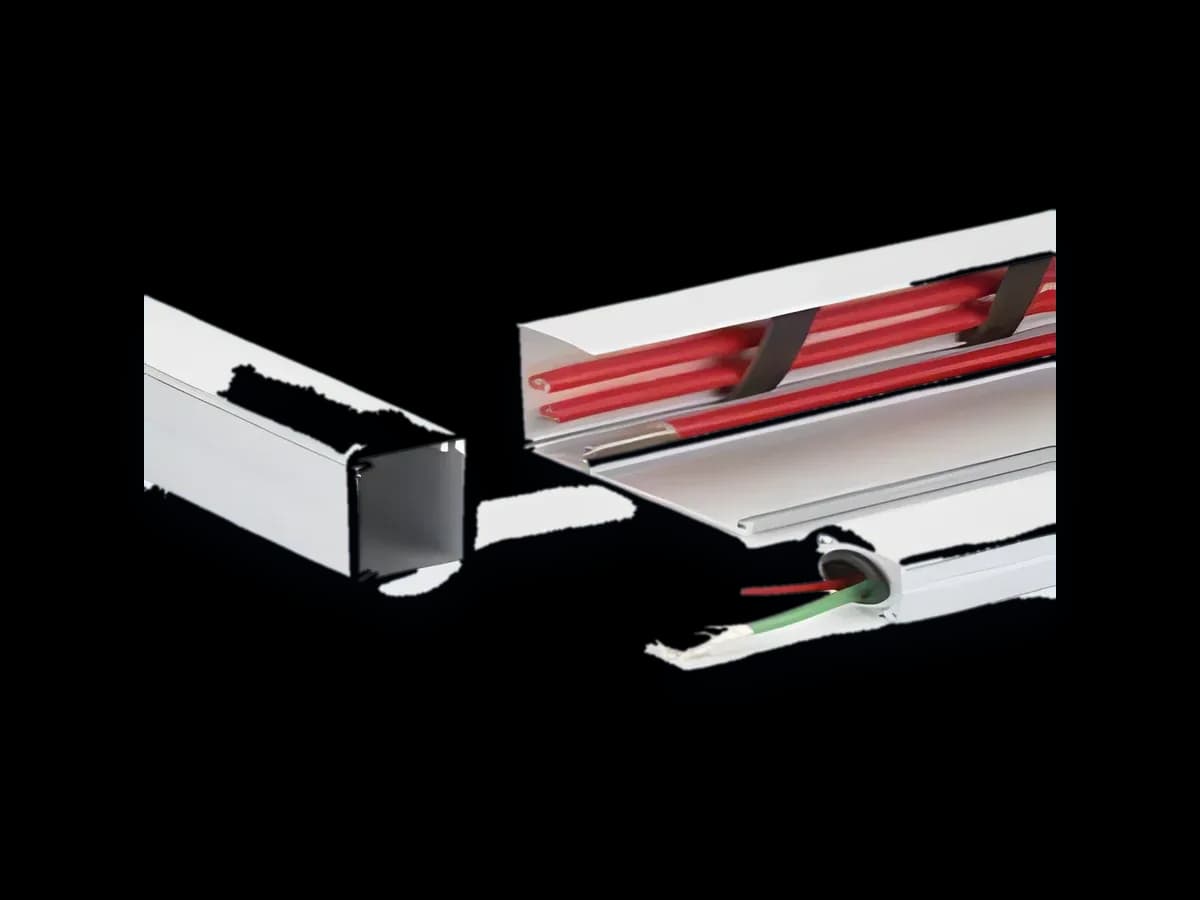
Cable trunking is a PVC profile with a cover: cables are laid in the trunking and the cover is closed. Because the cover can always be opened, adding or changing cables later is easy. Rigid PVC conduit is a closed tube: the cable is pulled through it. The conduit protects the cable better against mechanical damage and can also go under plaster, but to add a cable later it has to be pulled in again.
| Feature | Cable trunking | Rigid PVC conduit |
|---|---|---|
| Construction | Profile with a cover | Closed, rigid tube |
| Mounting | Screwed or stuck to the surface | Clipped to the surface or under plaster |
| Adding cables later | Open the cover, easy | Pull the cable in again |
| Where it is used | Wall surfaces, floors, inside panels | Surface and concealed installations |
| Sizes | From 12×12 mm to 120×60 mm | Ø16–50 mm, 3 m lengths |
| Material | PVC | PVC, UL94 V0 |
Types of cable trunking
- PVC Cable Trunking: plain lidded trunking, 20 sizes from 12×12 mm to 120×60 mm.
- Adhesive PVC Cable Trunking: adhesive-backed for quick, screw-free mounting; the same 20 sizes.
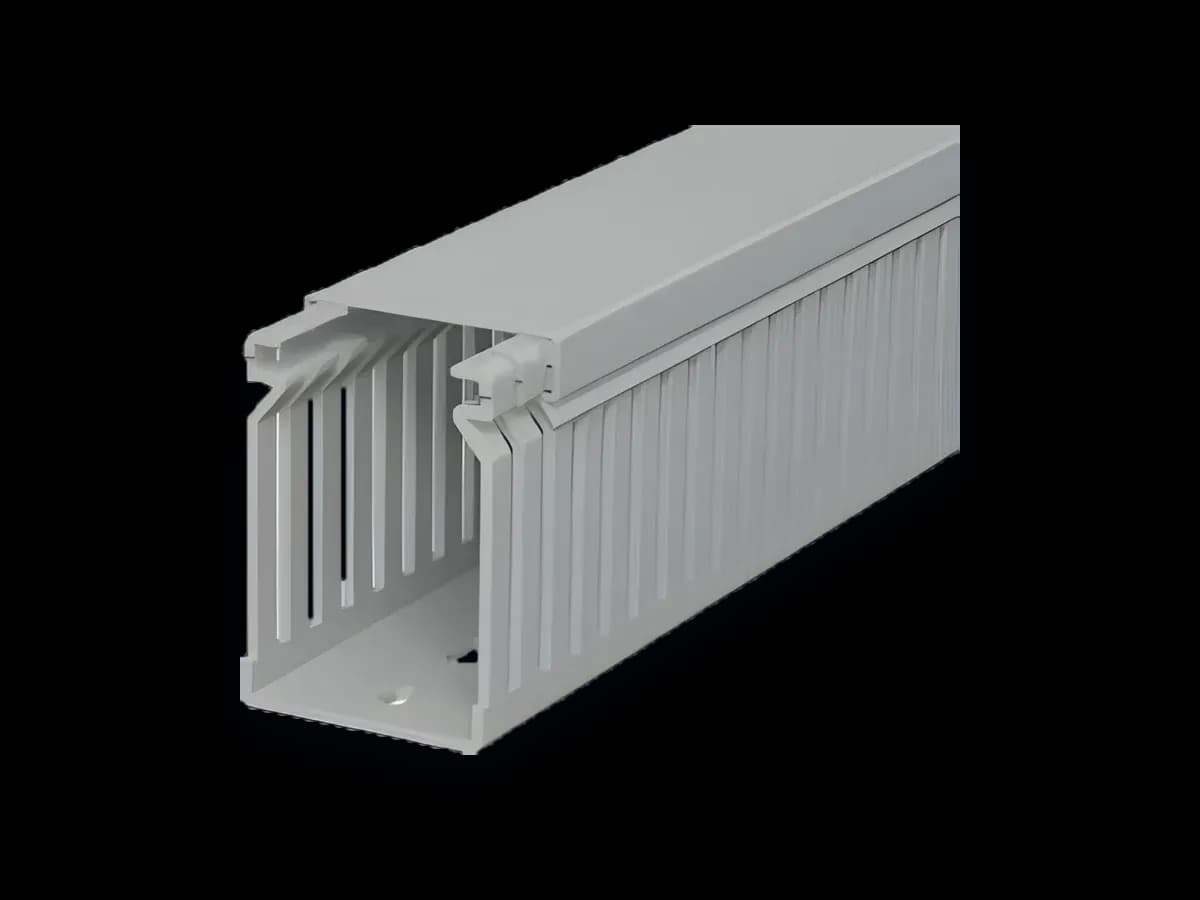
- Slotted PVC Cable Trunking: slotted side walls for panel wiring; the plain type in 11 sizes from 25×25 mm to 100×60 mm, the adhesive-backed type in 8 sizes from 25×25 mm to 60×60 mm.
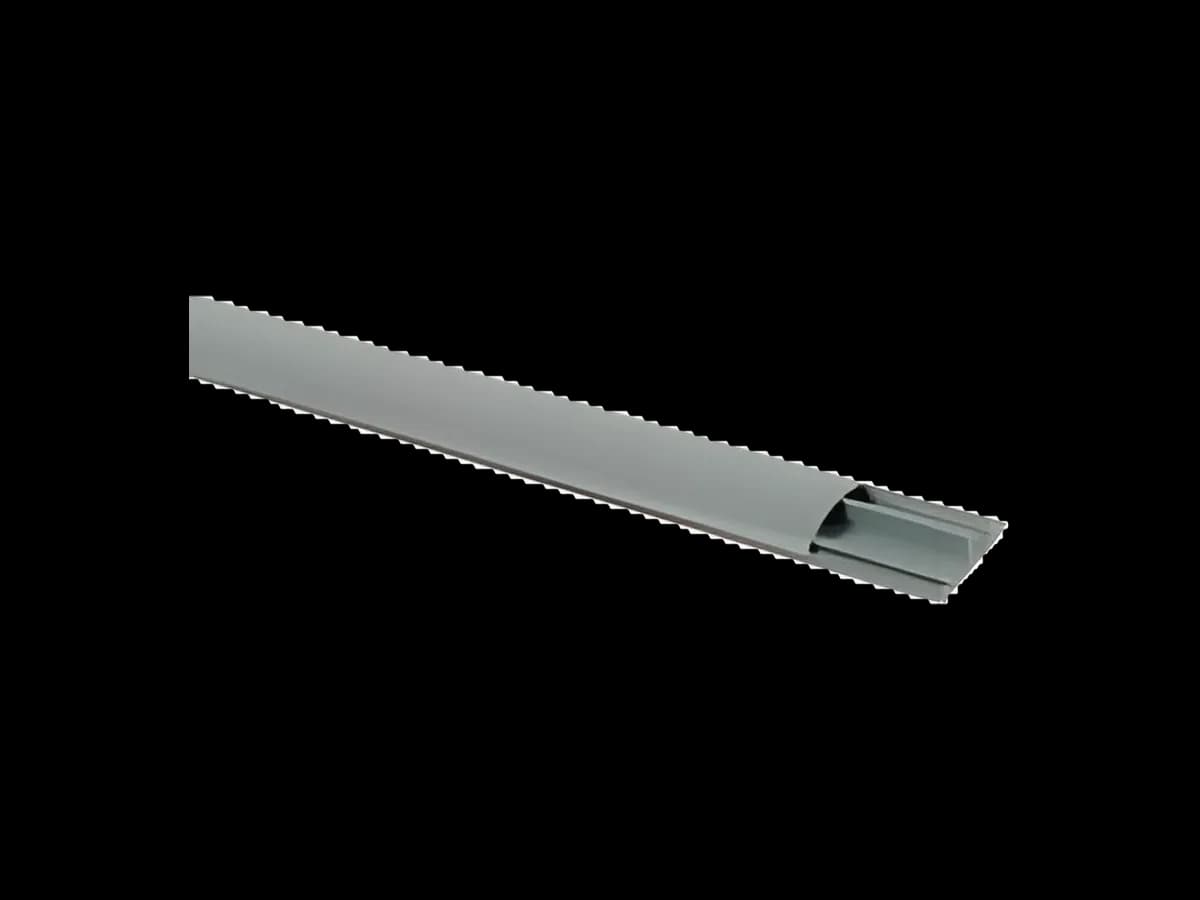
- Overfloor Cable Trunking: protects cables crossing a floor; plain and adhesive-backed, 50×12, 70×20 and 90×20 mm; white, dark brown and two wood patterns.
What is slotted trunking for?
Inside a panel, many wires run to terminals, breakers and devices. Through the slots in the side walls of slotted trunking, each wire leaves the duct exactly where it is needed; the wiring stays tidy, and finding faults and making changes later is easier. With the cover closed, the inside of the panel looks orderly.
How to choose the trunking size
Choose a trunking section clearly larger than the total section of the cables it will hold, so the cables lie without being squeezed and there is room for cables added later. The size is written as two sides (25×40 mm, for example). With adhesive trunking, the surface must be flat, clean and dry for the tape to hold.
Rigid PVC conduit
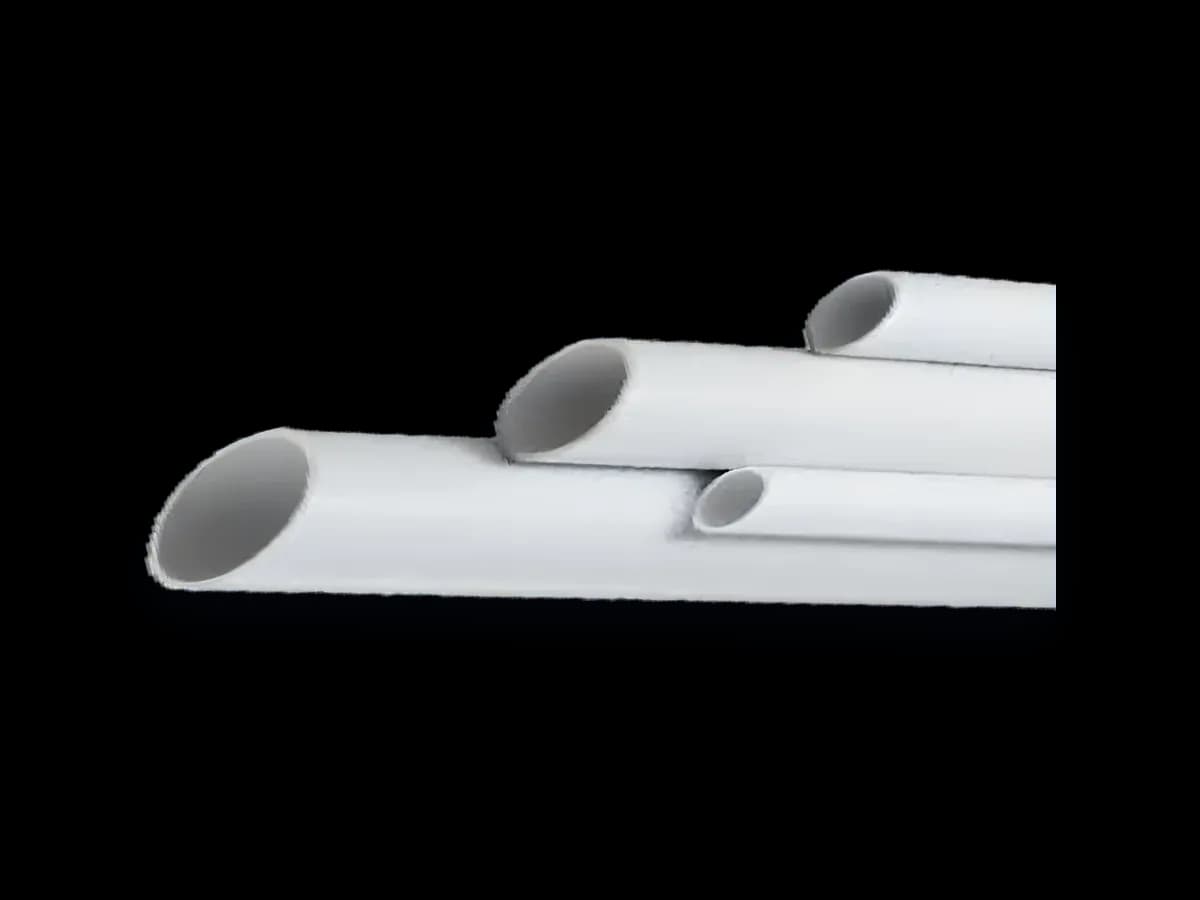
Rigid PVC Conduit is a rigid tube that carries cables in surface and concealed installations. It is made of UL94 V0 rated material and does not spread flame; it resists UV, acids and oils, does not conduct electricity, is easy to install and can be painted. It has a compression strength of 320 N and a wall thickness of 1.8 mm, and is used from −25 °C to +65 °C. The plain-end and belled-end types come in 3 m lengths.
| Code | Nominal size | Outer diameter (mm) | Inner diameter (mm) |
|---|---|---|---|
| FLX.16D | 16 | 16 −0.3 | 13.7 |
| FLX.20D | 20 | 20 −0.3 | 17.6 |
| FLX.25D | 25 | 25 −0.4 | 22.2 |
| FLX.32D | 32 | 32 −0.4 | 28.7 |
| FLX.40D | 40 | 40 −0.4 | 36.5 |
| FLX.50D | 50 | 50 −0.5 | 46.4 |
Accessories that complete the run
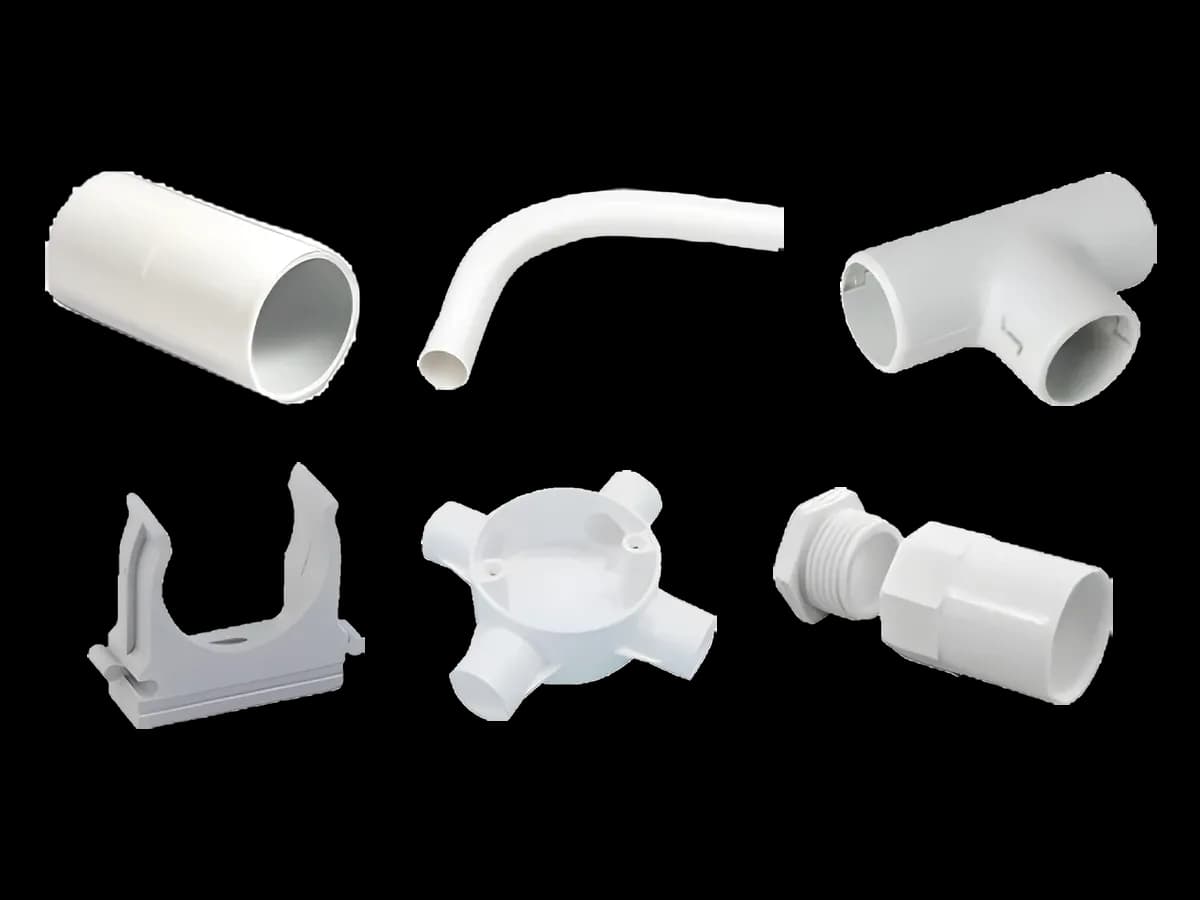
Rigid PVC Conduit Accessories complete the run: couplings and sleeves that join lengths, elbows and openable tees, capped, plug-in, self-plugging and floor-fixing clips, box adapters, round junction boxes, and a bending spring that bends the conduit without kinking it. The accessories are for conduit from Ø16 to Ø32 mm.
Which one to choose?
- Surface runs and office installations where cables will be added later: cable trunking.
- Wiring inside panels: slotted cable trunking.
- Cables crossing a floor: overfloor cable trunking.
- Surfaces that should not be drilled: adhesive cable trunking.
- Concealed installations or stronger mechanical protection: rigid PVC conduit.
Send us the length of the run, the number of cables and their sizes; our sales team will suggest the right trunking or conduit with its accessories and item codes.
What is the difference between belled-end and plain-end PVC conduit?
On belled-end conduit one end is widened, so two lengths are joined by pushing one into the belled end of the other, without a coupling. Plain-end conduit is joined with a coupling or sleeve from the Rigid PVC Conduit Accessories. Both types come in the same sizes and in 3 m lengths.
How is PVC conduit bent?
Rigid PVC conduit is bent with a bending spring of the same size pushed inside it; the spring stops the conduit from kinking and its section from narrowing. Our bending springs are for 16, 20, 25 and 32 mm conduit. For tight turns, ready-made elbows can be used too.
How is cable trunking mounted?
The base of plain trunking is fixed to the wall with screws and wall plugs, and the cover is closed once the cables are in. With adhesive trunking, peel off the tape's backing and press the trunking onto a clean, dry surface. Slotted trunking is screwed to the mounting plate inside the panel.
Related products
More articles
Guide5 min read
Flexible steel conduit sizes: inch, ID and OD table
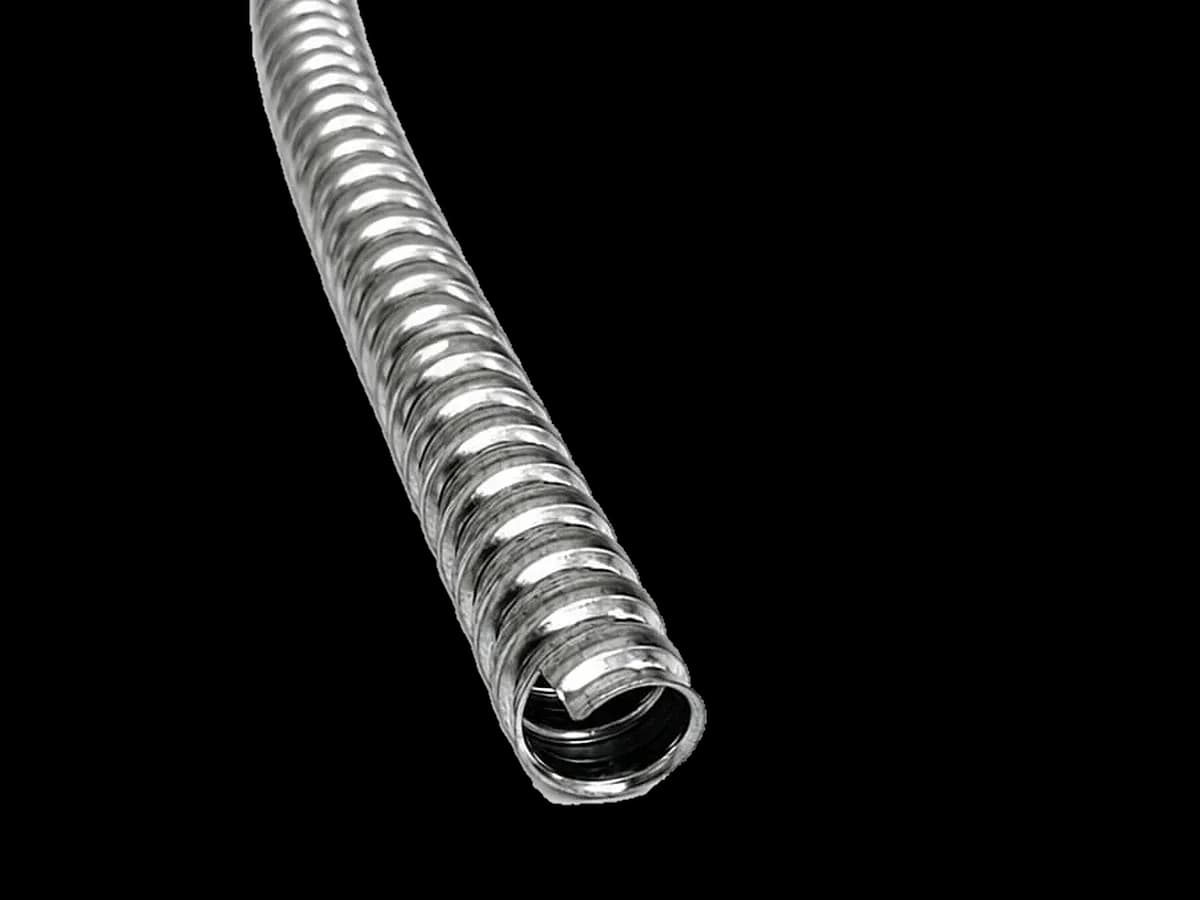
Flexible steel conduit is made in 18 sizes from 1/4" to 4" and is chosen by its inner diameter: 1/2" conduit, for example, is 16 mm inside and 20 mm outside. The inch value is a name; conduit, fittings and clamps are matched by their millimetre dimensions.
Guide4 min read
Cable glands explained: what they do and how to choose
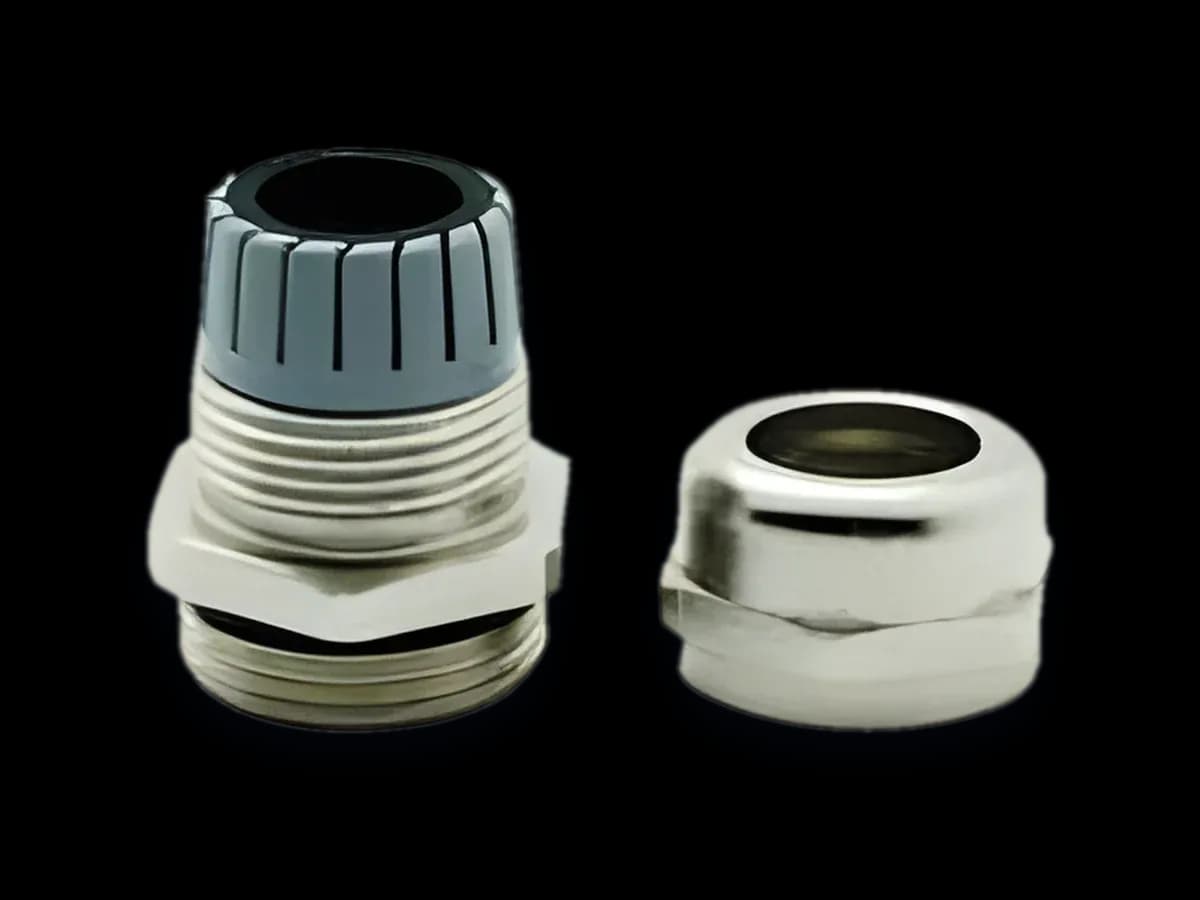
A cable gland is the fitting that keeps water and dust out where a cable enters an enclosure or device and anchors the cable against pulling. The right gland is chosen by four things: the cable's outer diameter, the thread type, the thread length and the environment.
Guide4 min read
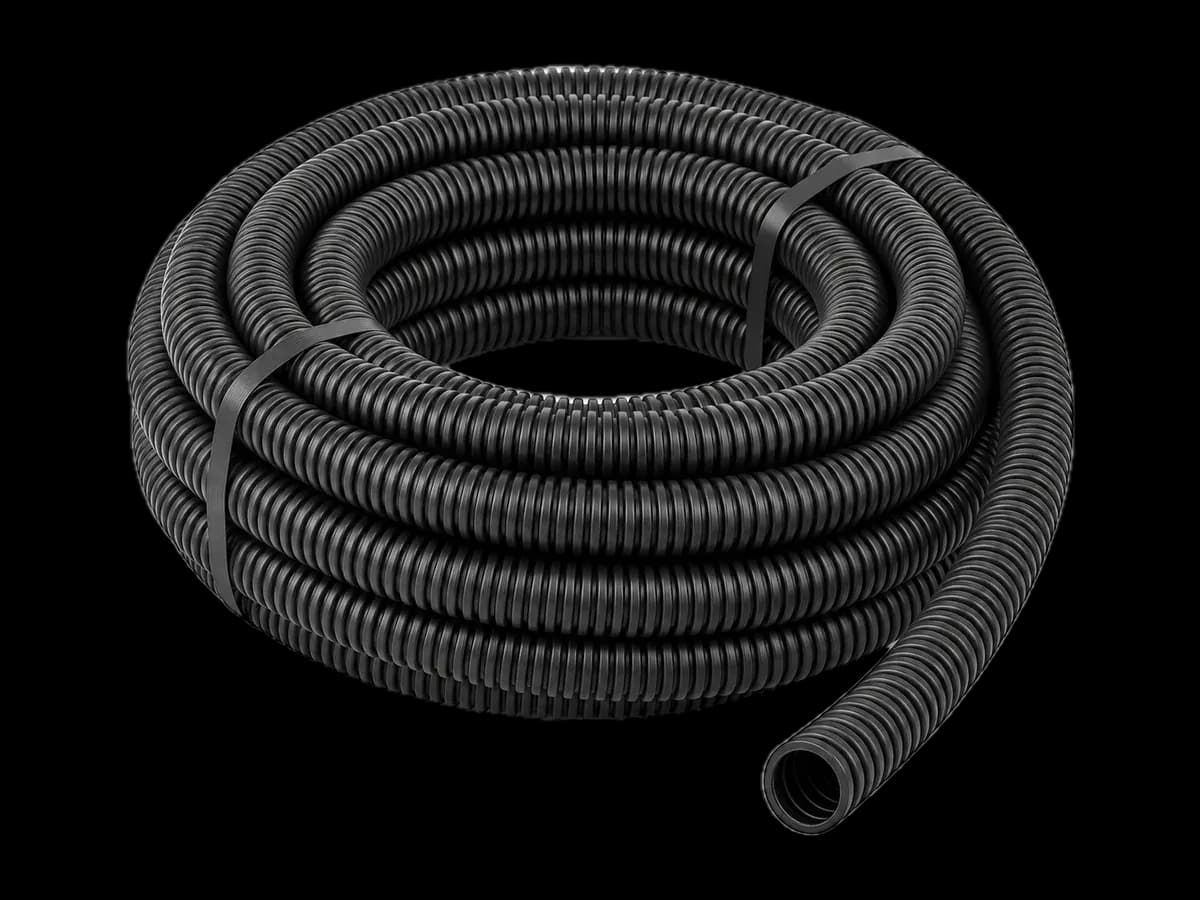
Polyamide vs PVC corrugated conduit: the difference
Polyamide corrugated conduit works from −40 °C to +120 °C, is halogen-free and self-extinguishing. PVC corrugated conduit works from −20 °C to +70 °C and is made for general-purpose installations. Polyamide is chosen where it is hot, where things move, or where halogen-free material is required.
Guide3 min read
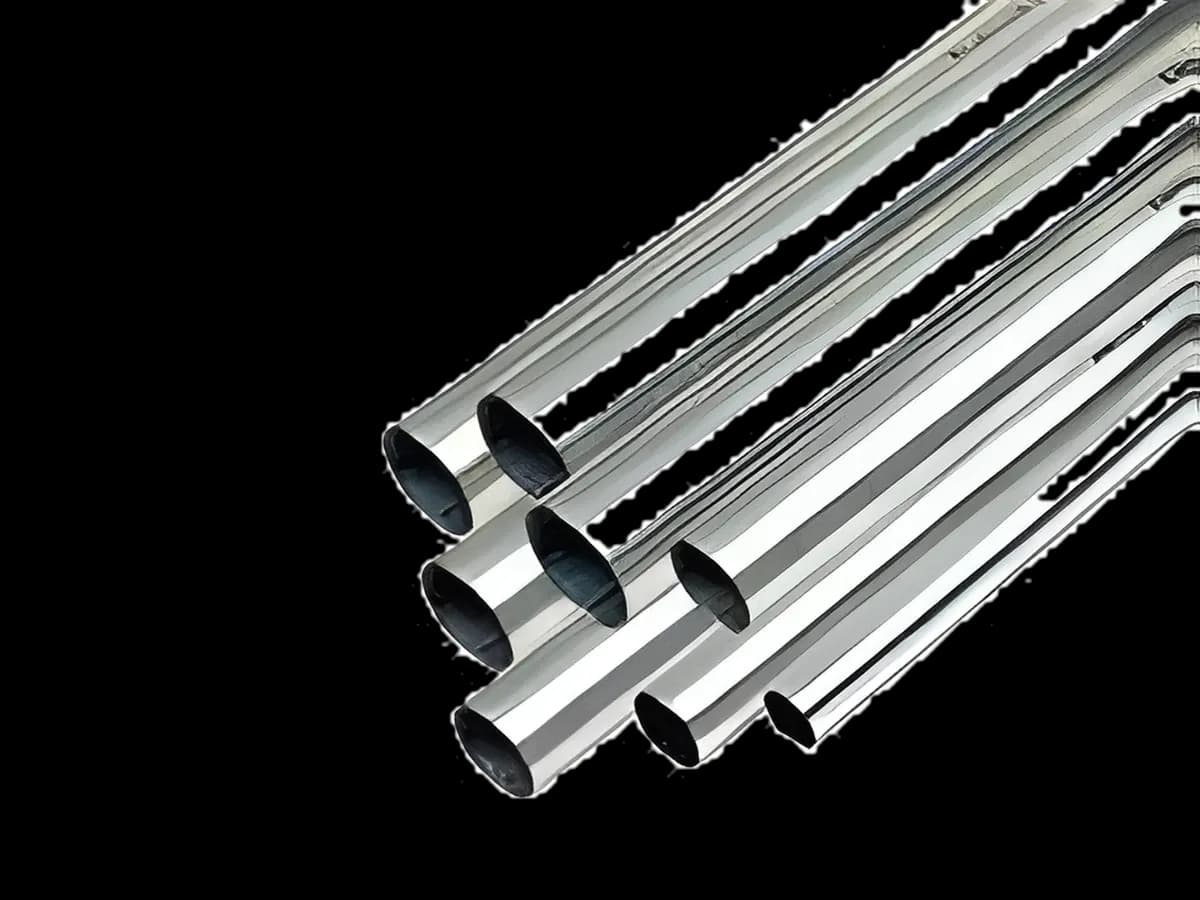
What is EMT conduit? How it differs from other conduit
EMT (electrical metallic tubing) is thin-wall, threadless galvanized steel conduit for electrical installations inside buildings. Its ends are not threaded; it is joined with screw-type or compression couplings and bent to change direction.
Guide3 min read
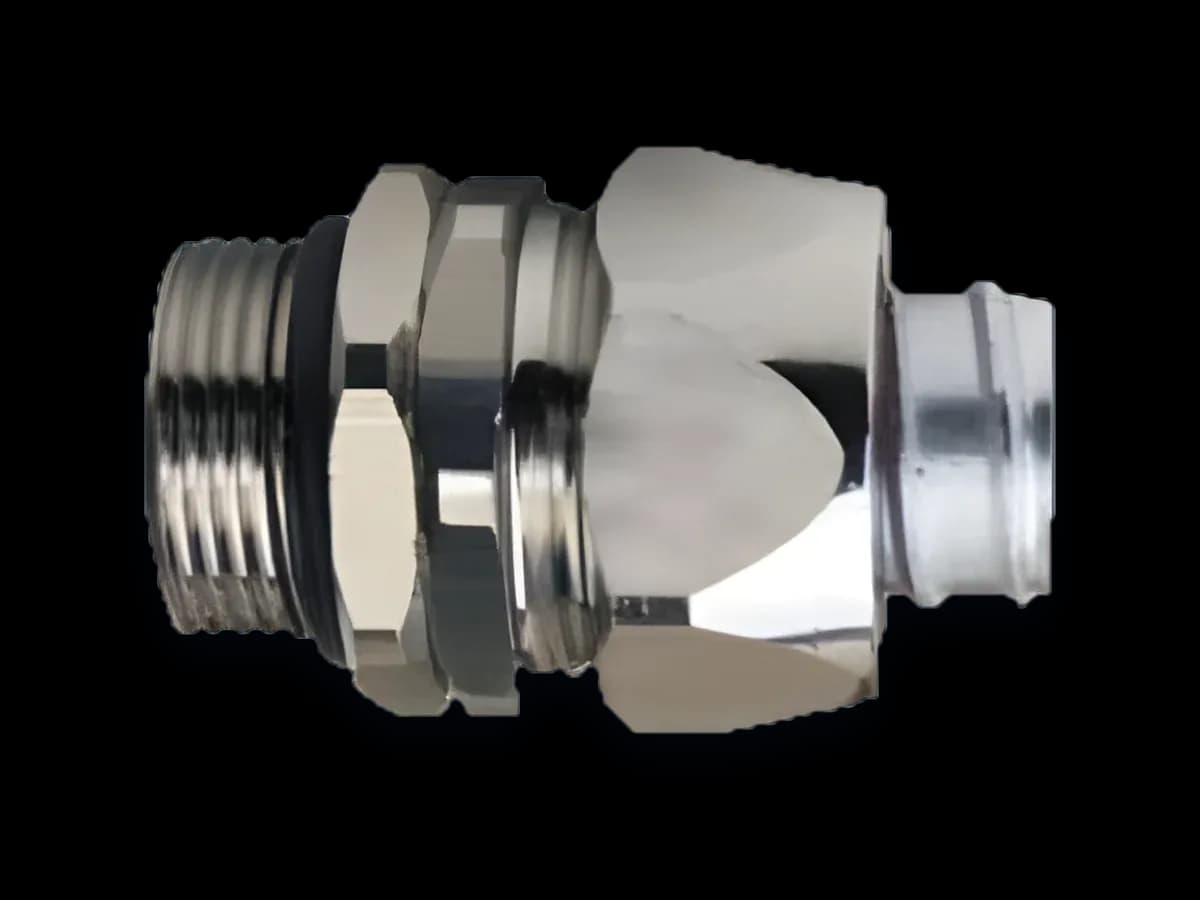
How to connect flexible conduit to a fitting
Flexible conduit is connected to a fitting in four steps: choose the fitting, cut the conduit, seat it and tighten the cap, then fix the fitting with its nut. For a sealed run, conduit and fitting must share the same protection class.
Guide3 min read
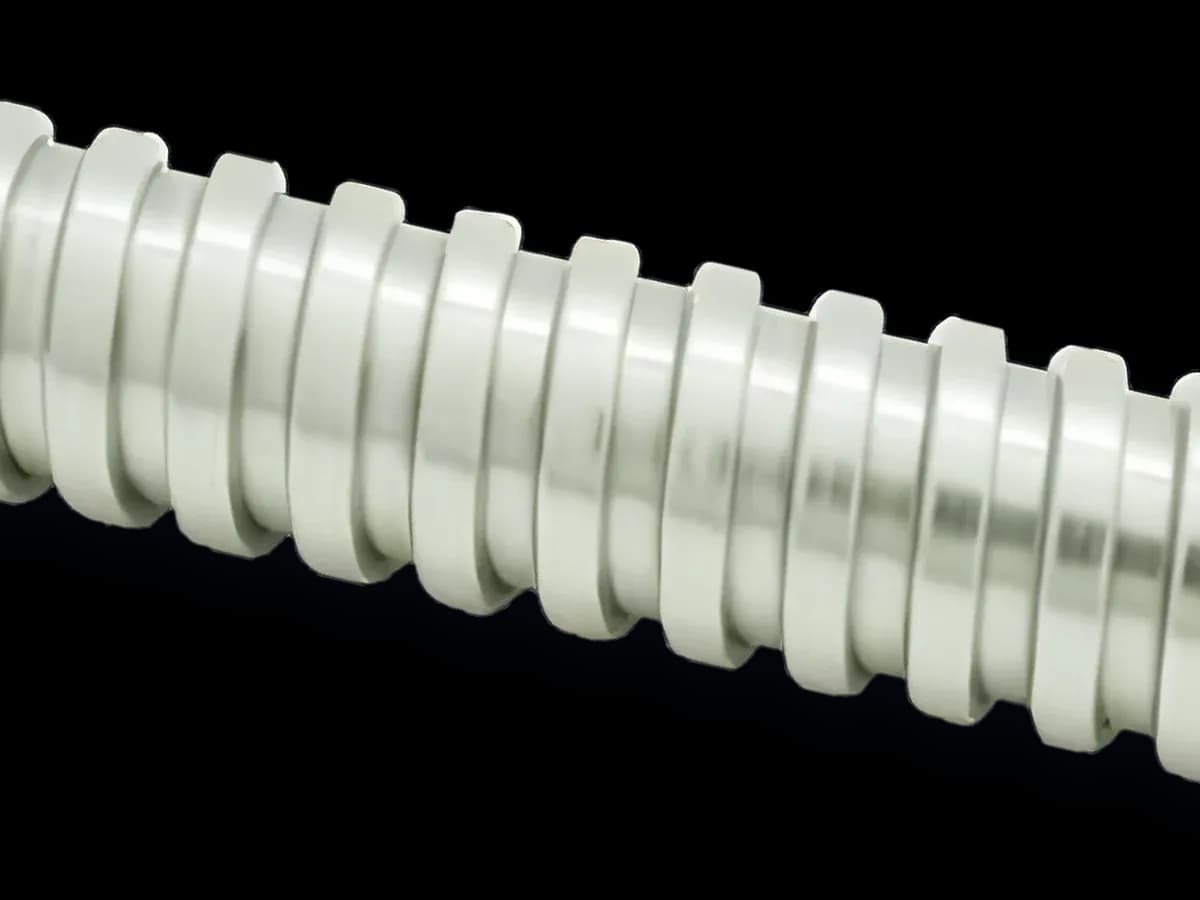
Galvanized or stainless steel conduit? A comparison
Galvanized flexible steel conduit works from −50 °C to +300 °C and covers most general installations. Stainless steel conduit works from −100 °C to +600 °C and is made for corrosive environments. The choice comes down to temperature, chemicals and moisture.
Guide3 min read
PVC-coated vs halogen-free (LSZH) conduit
PVC-coated and halogen-free coated conduits protect the steel core from moisture, oil and dust in the same way; they differ in fire behaviour and temperature. A halogen-free (LSZH) coating gives off little smoke and no halogen gases in a fire, so it is chosen for crowded indoor spaces.
Guide3 min read
Liquid-tight conduit: where and why it is used
Liquid-tight conduit is galvanized flexible steel conduit enclosed in a thick PVC or halogen-free jacket, rated IP66–IP69. It is used wherever cables meet water, dust, petrol or solvents.
Guide4 min read
How to choose a flexible steel conduit
Four questions decide the right flexible steel conduit: ambient temperature, exposure to water and dust, electromagnetic interference, and cable size. Temperature picks the material, sealing picks the coating, interference picks the braid, and the cable bundle picks the diameter.
Technical3 min read
What does IP68 mean? IP ratings explained
In an IP code the first digit is protection against dust and solid objects, the second against water. IP68 means fully dust-tight and able to withstand continuous immersion.
Technical3 min read
PG vs metric gland threads: the difference and which to choose
PG and metric are two separate thread standards for cable glands, and they do not fit each other. New designs use metric threads; for existing enclosures with PG entries, choose a PG gland or an adapter.