
Guide · 3 min read
What is EMT conduit? How it differs from other conduit
Fleks Elektrik Technical Team
In short
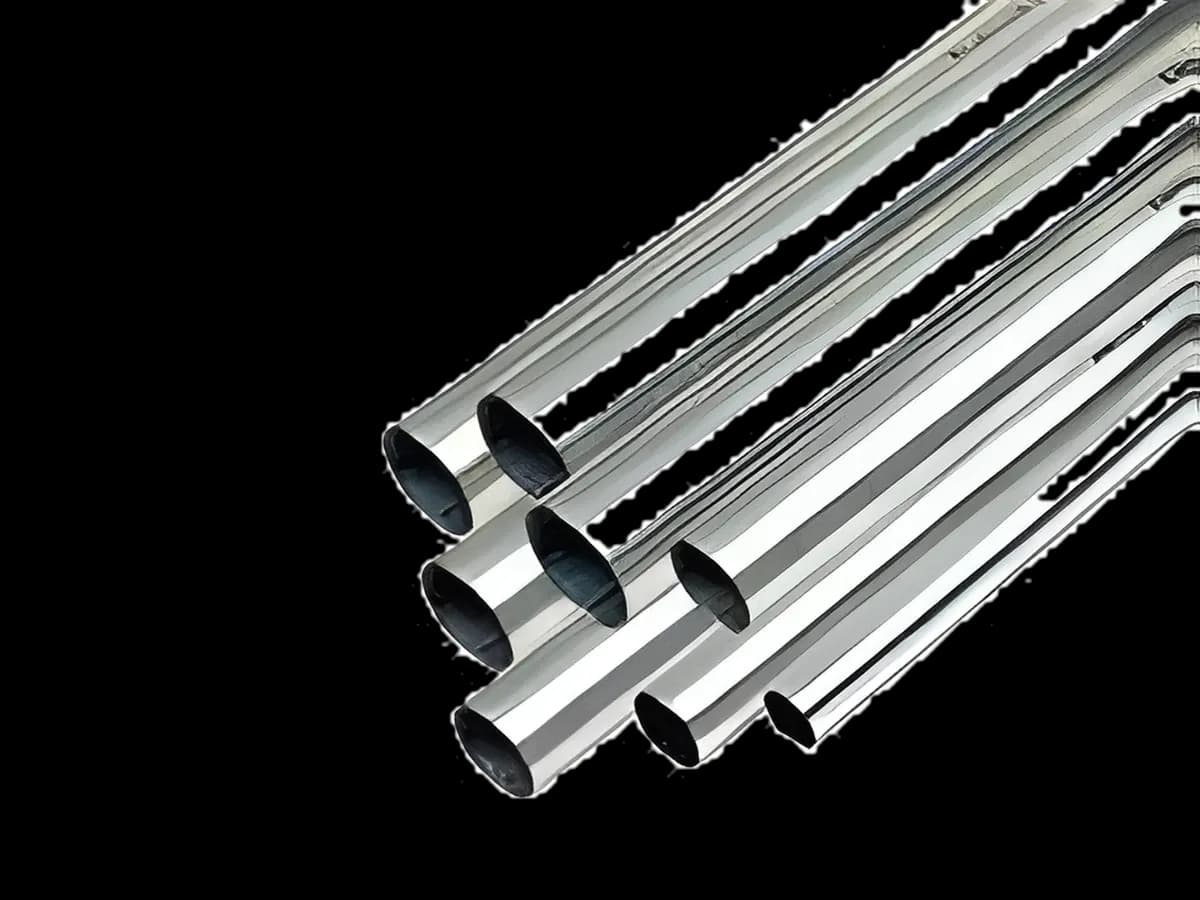
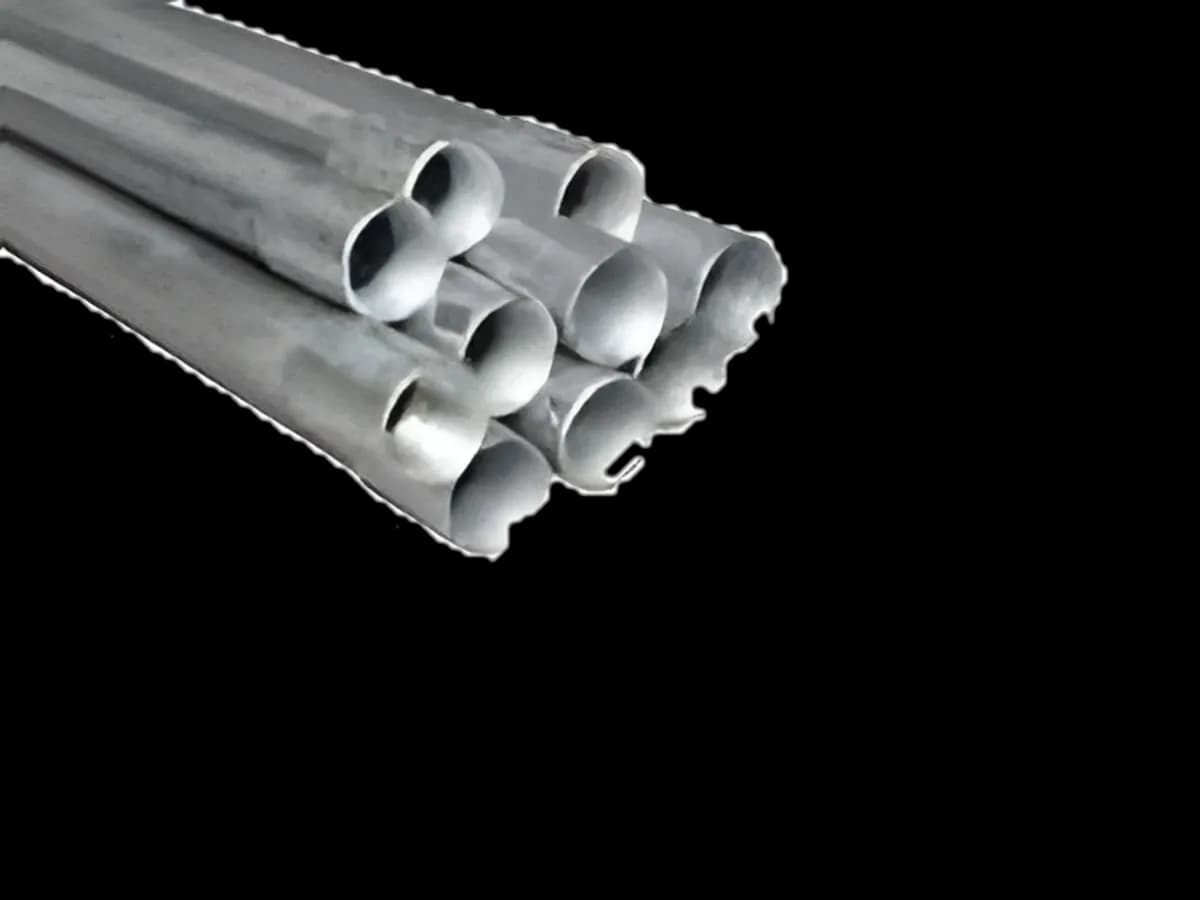
EMT (electrical metallic tubing) is thin-wall, threadless galvanized steel conduit for electrical installations inside buildings. Its ends are not threaded; it is joined with screw-type or compression couplings and bent to change direction.
What EMT is like
EMT is an installation system of North American origin. Being thin-walled it is light and can be bent with a bender; because its ends are not threaded, it is joined with couplings and connectors straight after cutting. Our EMT is made to ANSI C80.3, pre-galvanized and burr-free; there is also a hot-dip galvanized type. The standard length is 3.00 m and dimensions are within ±5% tolerance.
EMT sizes
| Code | Trade size | Inner diameter (mm) | Outer diameter (mm) | Pack (pcs) |
|---|---|---|---|---|
| FLX-1/2' | 1/2" | 15.8 | 17.93 | 10 |
| FLX-3/4' | 3/4" | 20.93 | 23.42 | 10 |
| FLX-1' | 1" | 26.64 | 29.54 | 10 |
| FLX-1/4' | 1 1/4" | 35.05 | 38.35 | 5 |
| FLX-1/2' | 1 1/2" | 40.89 | 44.2 | 5 |
| FLX-2' | 2" | 52.5 | 55.8 | 3 |
Conduit benders are also available for 1/2", 3/4", 1" and 1 1/4". Although EMT shares its inch names with flexible steel conduit, the diameters differ: 1/2" EMT is 17.93 mm outside, 1/2" flexible steel conduit 20 mm.
EMT, IMC and RSC compared
| Feature | EMT | IMC | RSC |
|---|---|---|---|
| Wall | Thin | Intermediate | Thickest |
| Joining | Threadless; screw-type or compression couplings | Threaded couplings | Threaded couplings |
| Weight | Light | Medium | Heavy |
| Use | Installations inside buildings | Where mechanical stress is high | Where mechanical stress is highest |
| Sizes | 1/2"–2" | 1/2"–2" | 1/2"–2" |
The parts of an EMT run
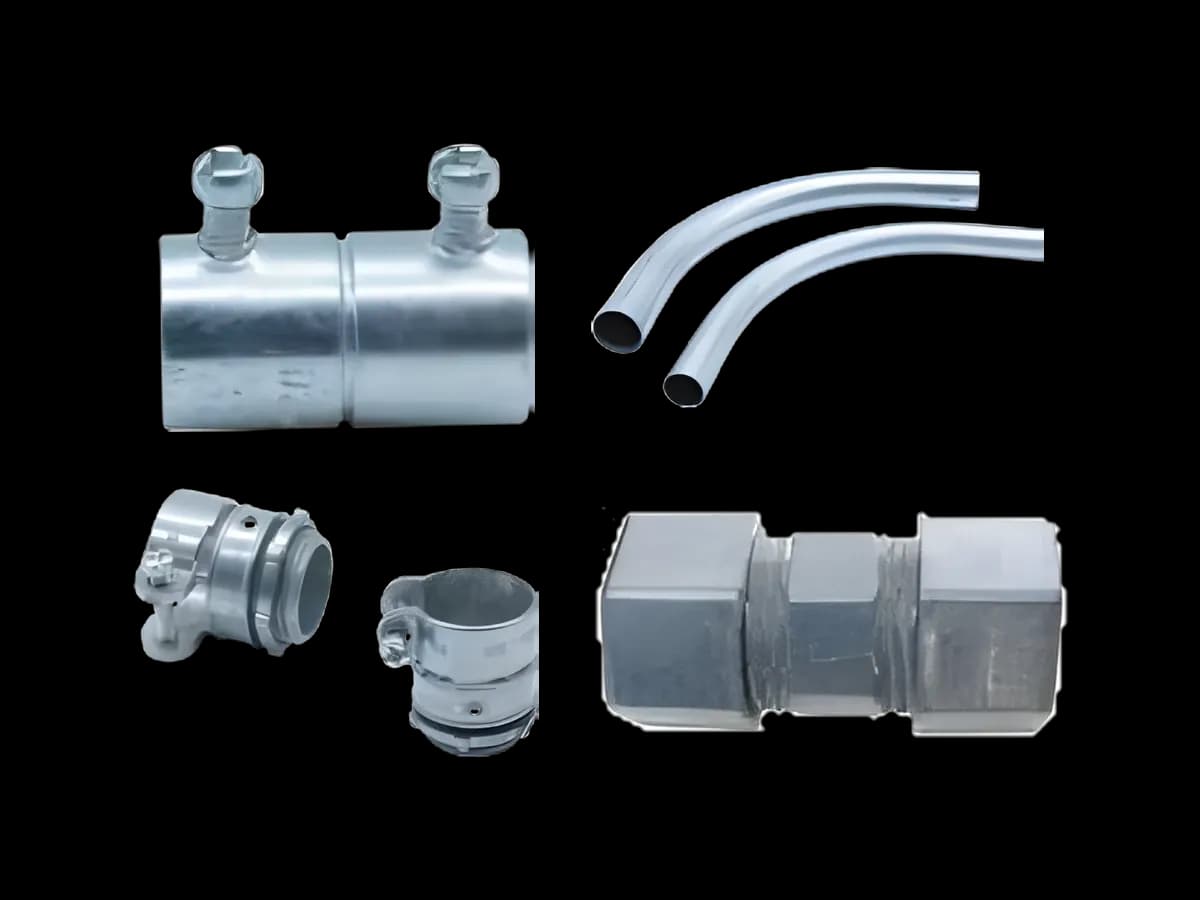
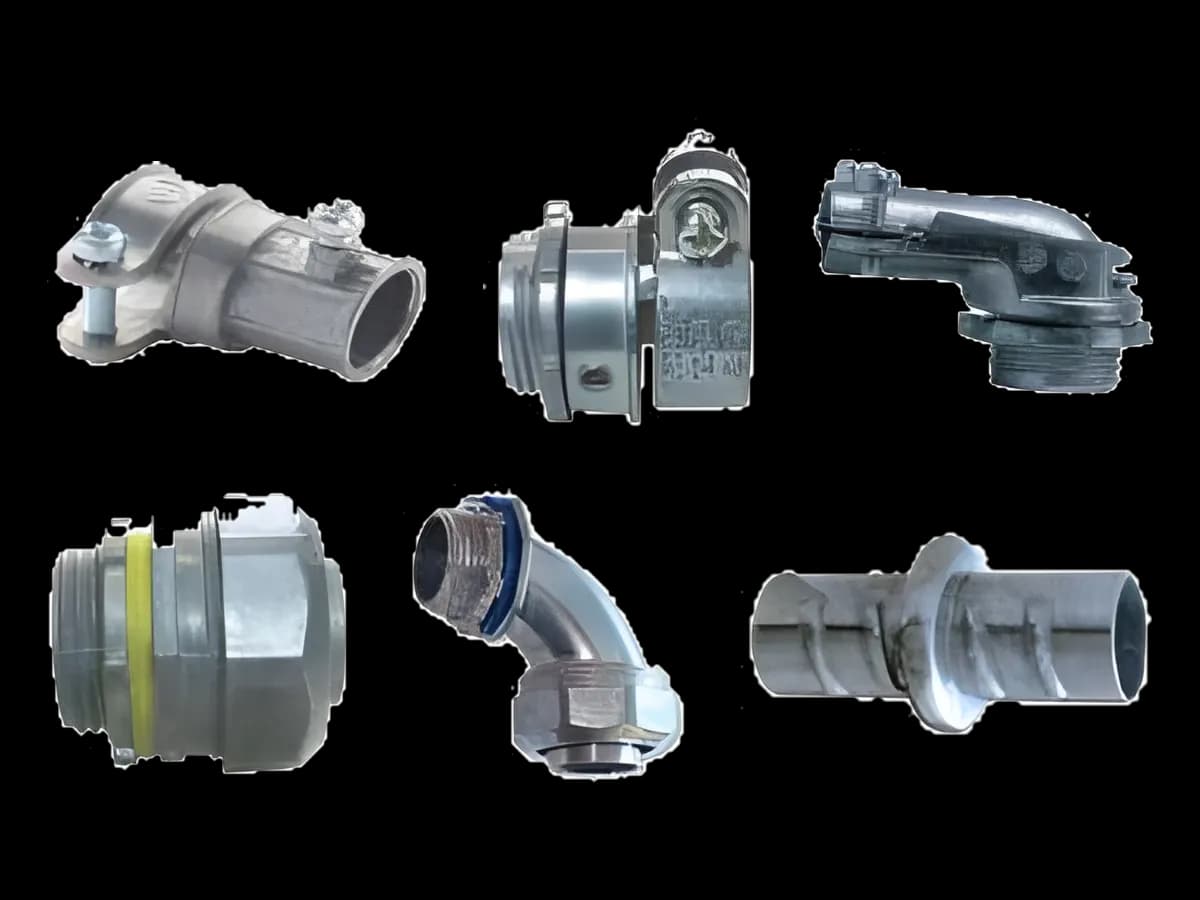
- Couplings and connectors: screw-type and compression couplings that join lengths, connectors that fix the conduit to a box, enclosure or cable tray, reducers and three-piece couplings. Screw-type couplings and connectors are zamak die castings.
- Elbows: pre-galvanized steel 90° elbows (electro-galvanized and hot-dip types too), elbows with a screw cover, a short tee.
- Straps and clamps: one-hole and two-hole straps, conduit hangers, strut clamps and C channel.
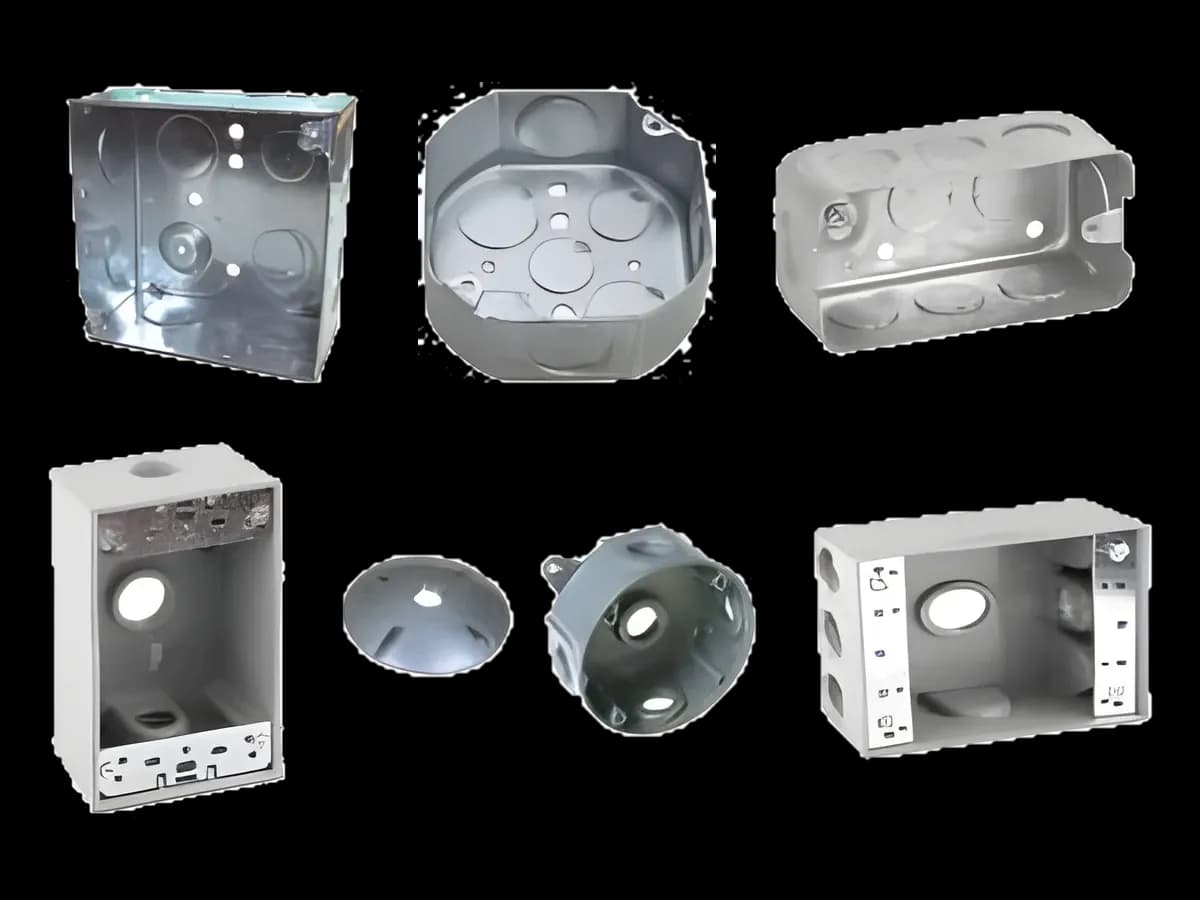
- Metal boxes: square, octagonal and rectangular boxes, BS boxes and weatherproof boxes for outdoors.
- Bushings, end caps and locknuts: bushings and end caps that protect the cable at the conduit end, galvanized steel locknuts and reducing washers.
Screw-type or compression?
In a screw-type coupling or connector the conduit is held by tightening a screw in the body; installation is quick. In the compression type a nut squeezes a ring around the conduit to grip it, giving a tighter joint. Both types are made from 1/2" to 2".
From EMT to flexible conduit
For the final connection to a motor or a vibrating machine, a rigid EMT run continues in flexible conduit. EMT to Flexible Conduit Connectors do the job: screw-type EMT-to-flexible connectors, screw-type and 90° steel conduit connectors, flexible-to-flexible couplings, liquid-tight connectors with gas threads and metal ferrules. One run can thus use rigid conduit together with steel or liquid-tight flexible conduit.
Threaded runs: IMC, RSC and conduit bodies
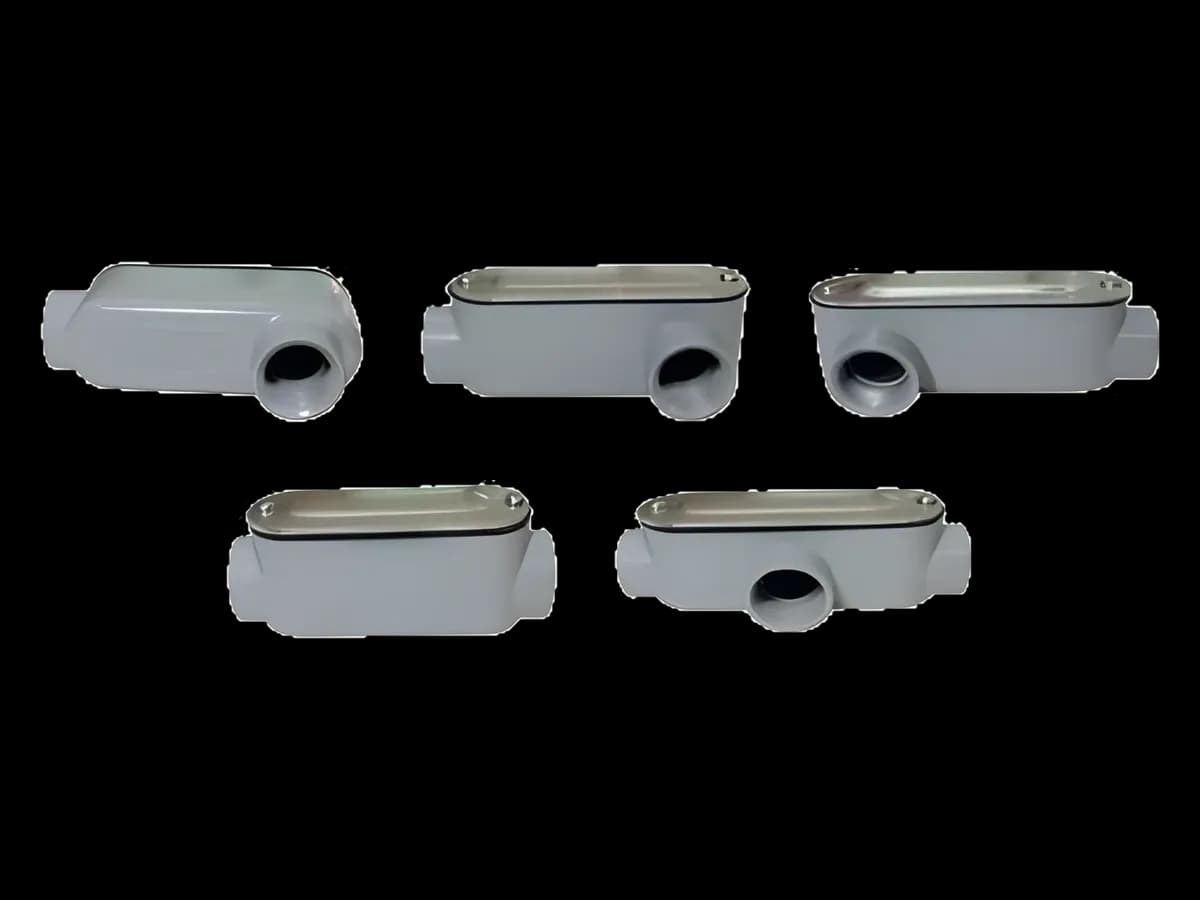
Where mechanical stress is high, threaded IMC and RSC conduit is used, with Threaded Aluminium Conduit Bodies at turns, branches and pull points. Types LB, LL and LR make 90° turns, type C a straight pull point and type T a branch. IMC and RSC conduit come with steel couplings and 90° elbows.
Where is EMT used?
EMT is used inside buildings: public facilities, office buildings, workshops and high-rise buildings. It is a familiar solution for plants designed to North American standards and for contractors used to the system. Send us your project's bill of materials, and we will quote the conduit, fittings and boxes with their item codes.
How is EMT bent?
EMT is bent with a bender that matches the conduit size; the bender stops the conduit from collapsing as it bends. Our benders are for 1/2", 3/4", 1" and 1 1/4". For larger sizes or tight turns, ready-made 90° EMT elbows are used.
How is EMT cut?
EMT is cut square with a hacksaw or a conduit cutter, and the burr is then removed inside and out. A burr damages the cable sheath; the bushings and end caps fitted to the conduit end also protect the cable from that edge.
Can EMT be used outdoors?
In our catalogue EMT is given for use inside buildings. Where mechanical stress is high, threaded IMC and RSC conduit should be considered, and weatherproof boxes for connection points outdoors; tell us about the conditions of your project to choose the conduit.
Related products
Metal Conduit Boxes
44 sizesView
More articles
Guide5 min read
Flexible steel conduit sizes: inch, ID and OD table
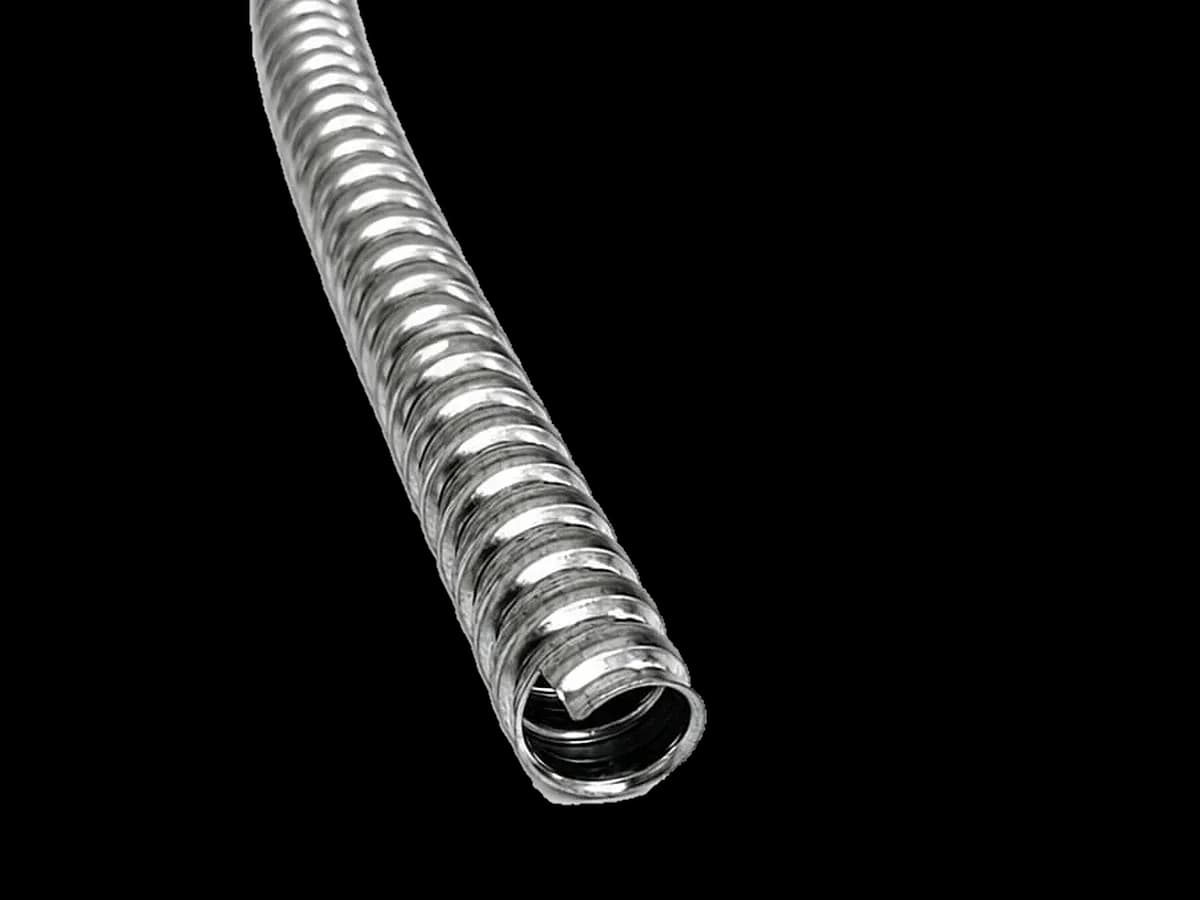
Flexible steel conduit is made in 18 sizes from 1/4" to 4" and is chosen by its inner diameter: 1/2" conduit, for example, is 16 mm inside and 20 mm outside. The inch value is a name; conduit, fittings and clamps are matched by their millimetre dimensions.
Guide4 min read
Cable glands explained: what they do and how to choose
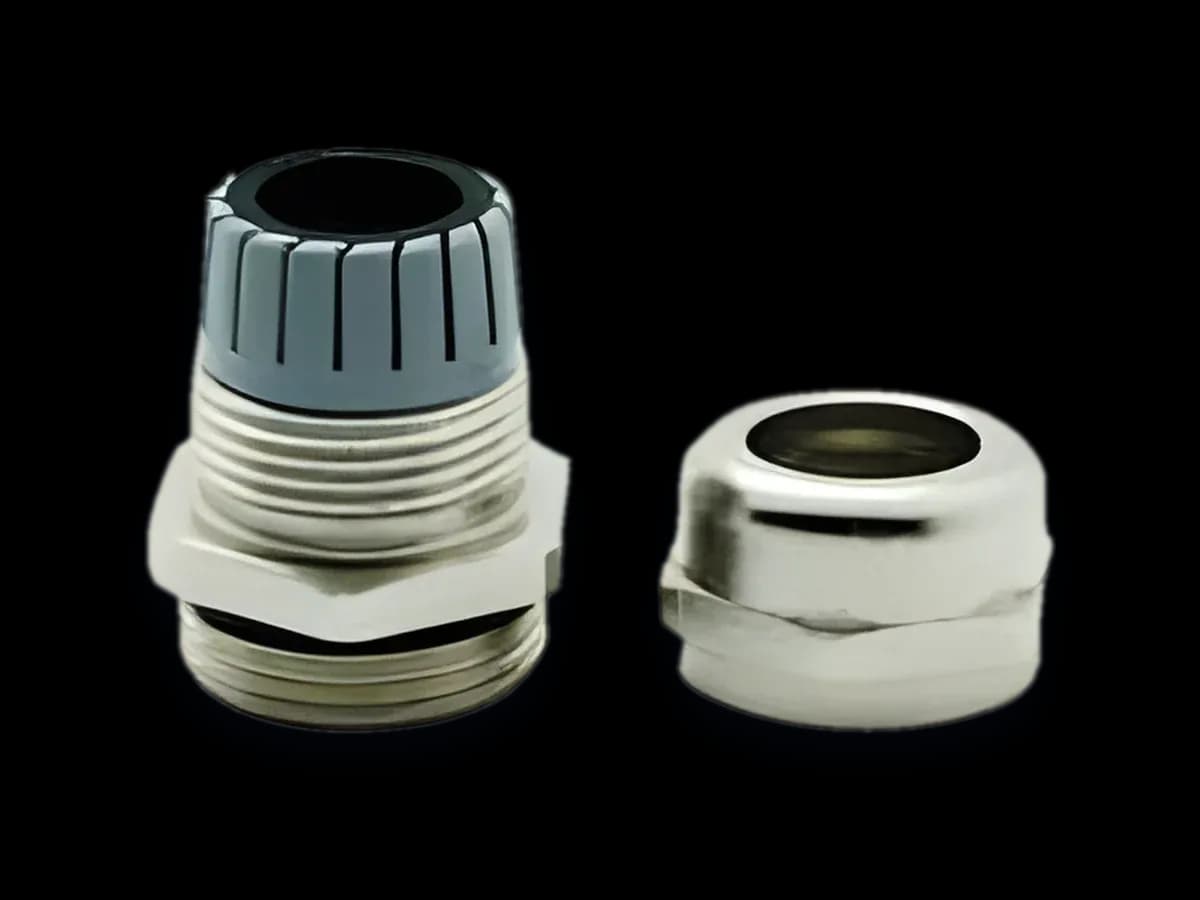
A cable gland is the fitting that keeps water and dust out where a cable enters an enclosure or device and anchors the cable against pulling. The right gland is chosen by four things: the cable's outer diameter, the thread type, the thread length and the environment.
Guide4 min read
Polyamide vs PVC corrugated conduit: the difference
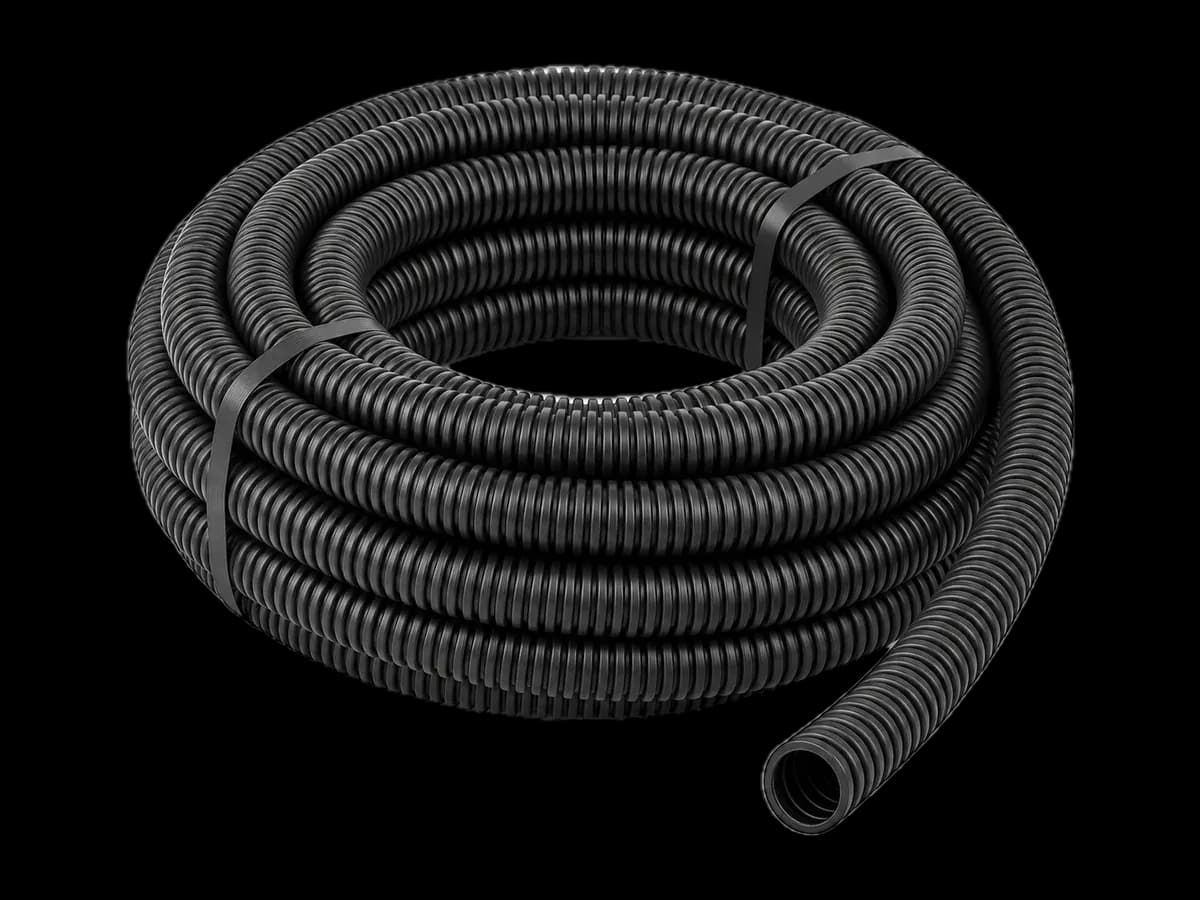
Polyamide corrugated conduit works from −40 °C to +120 °C, is halogen-free and self-extinguishing. PVC corrugated conduit works from −20 °C to +70 °C and is made for general-purpose installations. Polyamide is chosen where it is hot, where things move, or where halogen-free material is required.
Guide3 min read
Cable trunking or rigid PVC conduit? Types and sizes
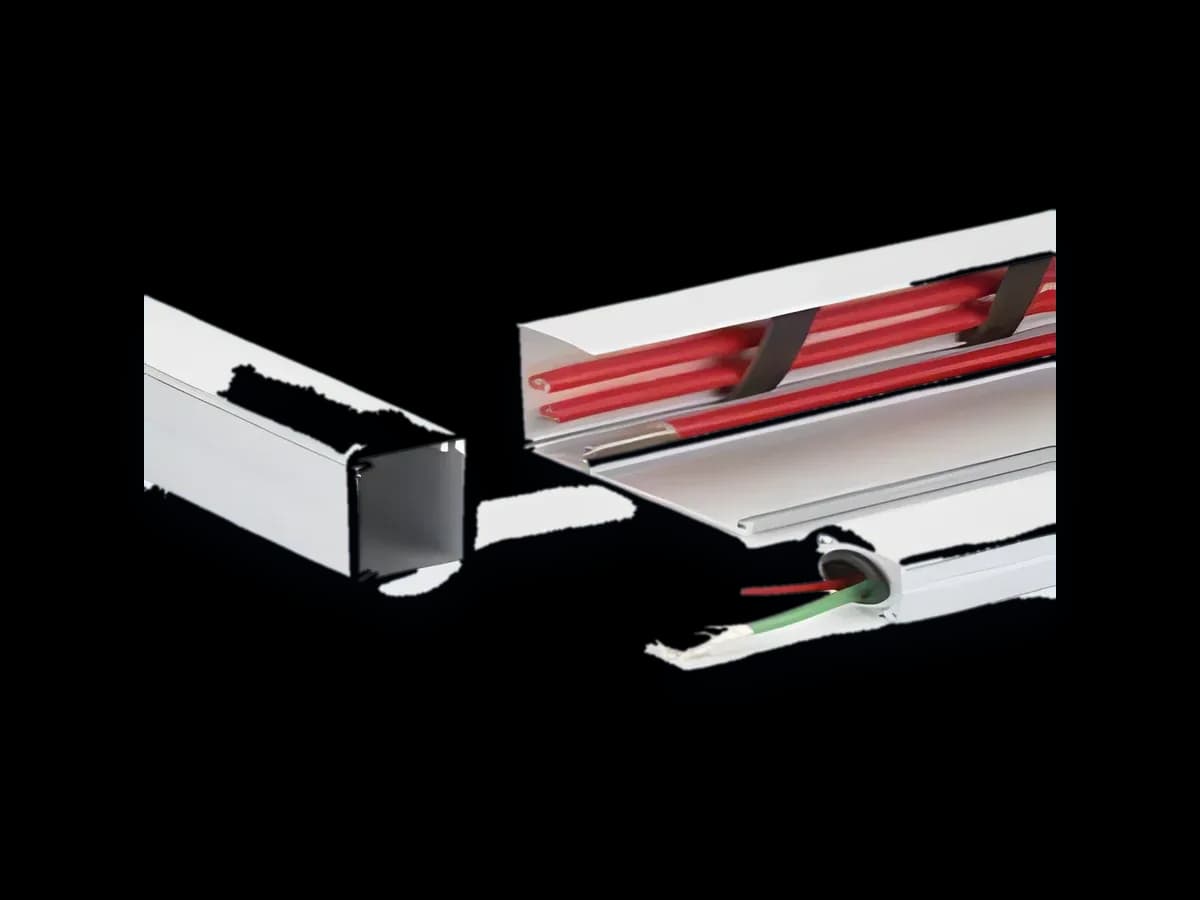
Cable trunking is a profile with an opening cover, practical for surface runs and panel wiring where cables will be added later. Rigid PVC conduit carries cables in a closed tube and is made for surface and concealed installations. The choice depends on how much protection the cable needs and whether it will change.
Guide3 min read
How to connect flexible conduit to a fitting
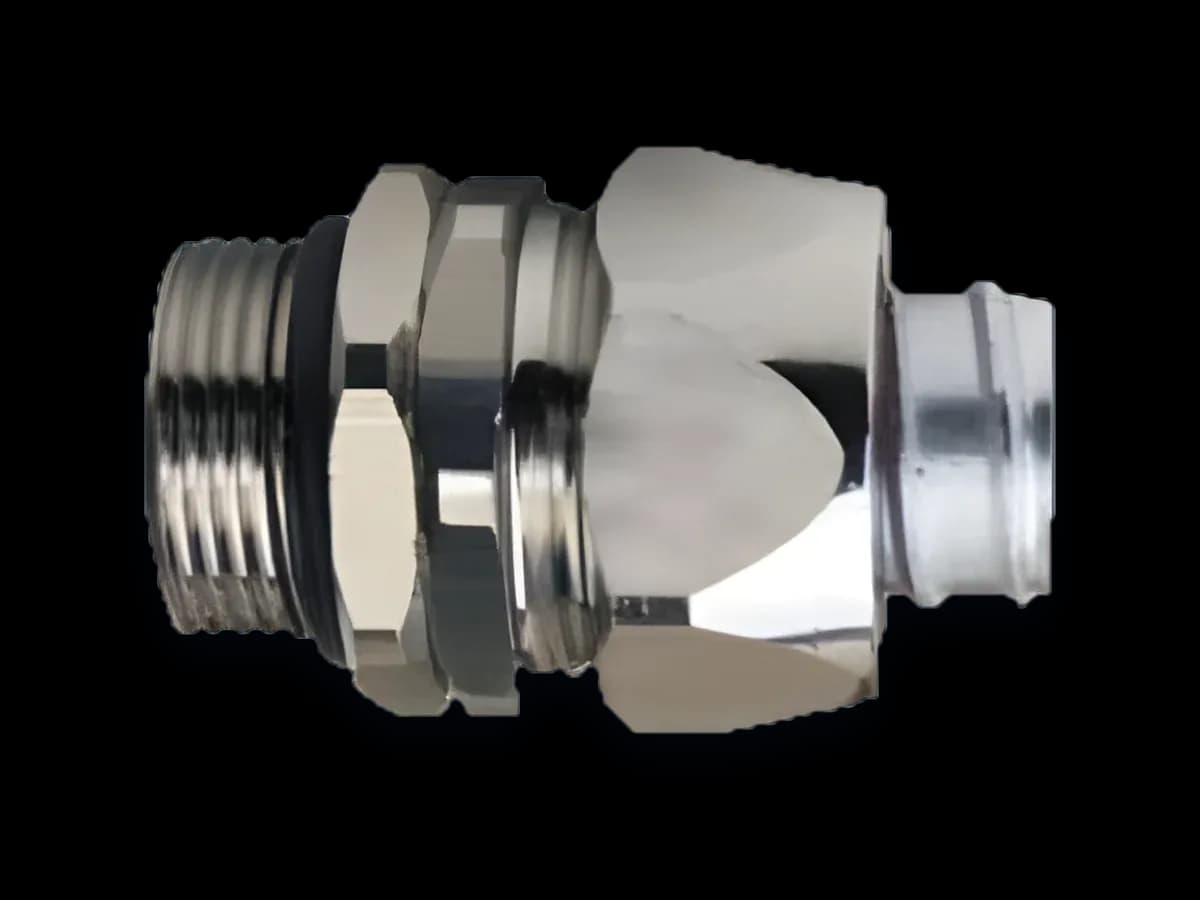
Flexible conduit is connected to a fitting in four steps: choose the fitting, cut the conduit, seat it and tighten the cap, then fix the fitting with its nut. For a sealed run, conduit and fitting must share the same protection class.
Guide3 min read
Galvanized or stainless steel conduit? A comparison
Galvanized flexible steel conduit works from −50 °C to +300 °C and covers most general installations. Stainless steel conduit works from −100 °C to +600 °C and is made for corrosive environments. The choice comes down to temperature, chemicals and moisture.
Guide3 min read
PVC-coated vs halogen-free (LSZH) conduit
PVC-coated and halogen-free coated conduits protect the steel core from moisture, oil and dust in the same way; they differ in fire behaviour and temperature. A halogen-free (LSZH) coating gives off little smoke and no halogen gases in a fire, so it is chosen for crowded indoor spaces.
Guide3 min read
Liquid-tight conduit: where and why it is used
Liquid-tight conduit is galvanized flexible steel conduit enclosed in a thick PVC or halogen-free jacket, rated IP66–IP69. It is used wherever cables meet water, dust, petrol or solvents.
Guide4 min read
How to choose a flexible steel conduit
Four questions decide the right flexible steel conduit: ambient temperature, exposure to water and dust, electromagnetic interference, and cable size. Temperature picks the material, sealing picks the coating, interference picks the braid, and the cable bundle picks the diameter.
Technical3 min read
What does IP68 mean? IP ratings explained
In an IP code the first digit is protection against dust and solid objects, the second against water. IP68 means fully dust-tight and able to withstand continuous immersion.
Technical3 min read
PG vs metric gland threads: the difference and which to choose
PG and metric are two separate thread standards for cable glands, and they do not fit each other. New designs use metric threads; for existing enclosures with PG entries, choose a PG gland or an adapter.